
Living in the Shadow of the Manor
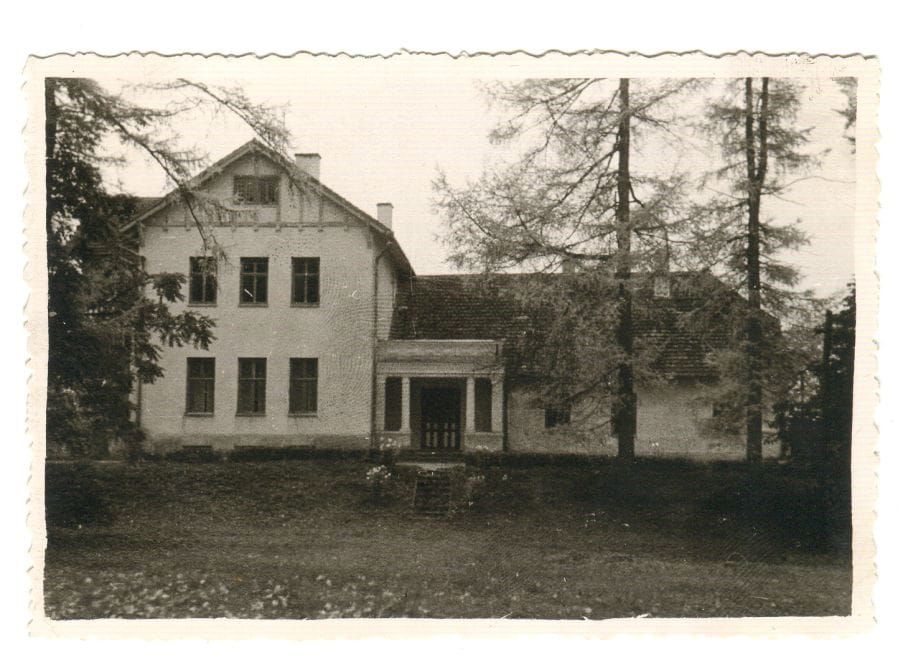
When we bought this property in 2005, we weren't just buying a house; we were taking over a small corner of an estate with roots reaching back centuries. Although, to be honest, back then it was hard to see the "noble" history through the mountains of trash and the forest of thistles that had claimed the grounds. We had a vision, and if we’ve learned anything, it’s that a vision is just a fancy word for a project that will take twice as long as you thought.
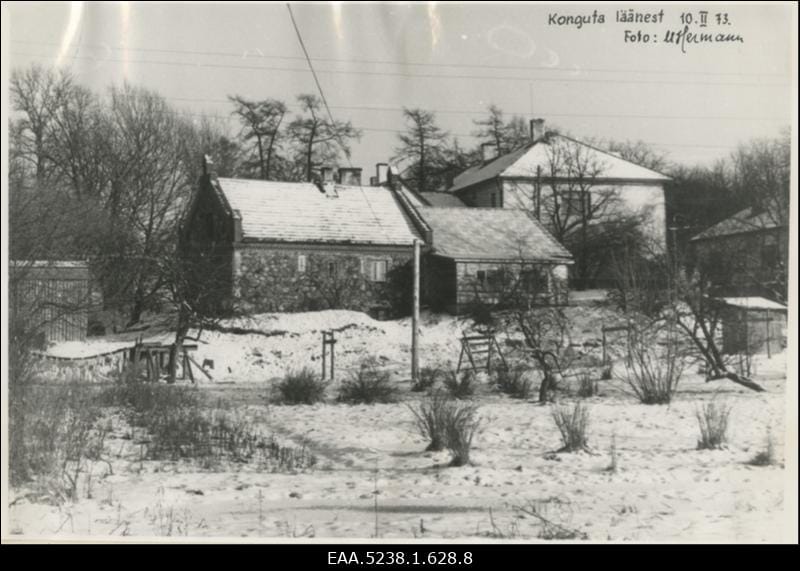
Our home was originally the coachhouse for the local manor—the place where the carriages and horses were kept. While we were struggling through our first week with no electricity and bucket-baths in the sauna, we tried to remind ourselves that we were standing in a building designed to house the transportation of the local nobility. It didn't make the lukewarm bucket-rinse feel any more aristocratic, but it was a start.
The Grandeur of the Past (and the Looming Neighbor)
Just a short distance from our front door stands the main manor house. Once the center of power for a vast estate, it now stands as a hauntingly beautiful ruin. Its classical pillars and high gables are slowly being reclaimed by nature, serving as a silent, looming witness to the passing of time—and occasionally watching us fail to properly level a fence post.
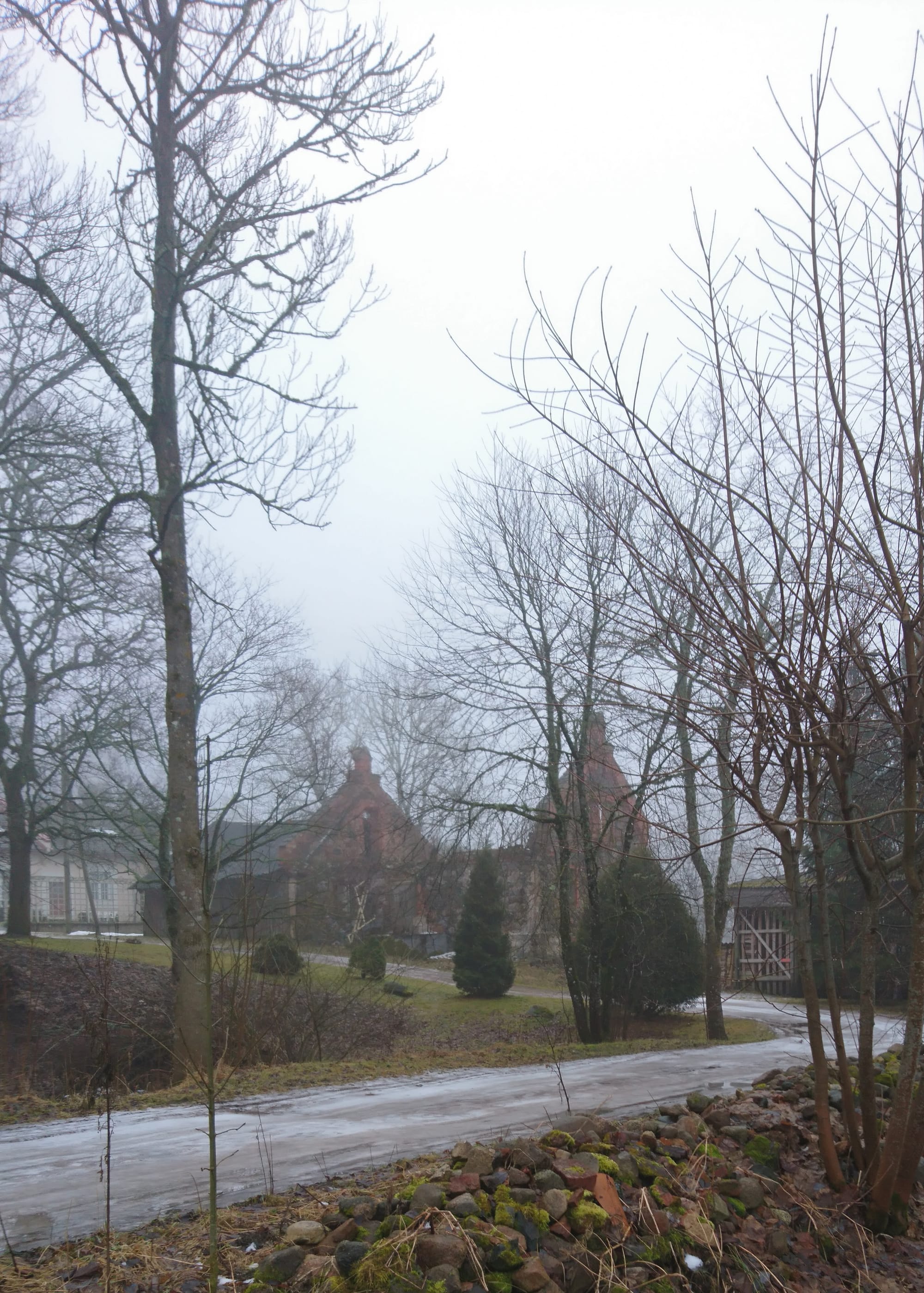
The history of that "big house" is a 20th-century rollercoaster. It was rebuilt in grand style around 1910, eventually serving the community as a primary school and a children's home. But as the community shifted, the house fell silent. It is a humbling contrast: the grand main house, built for prestige, has succumbed to the decades. Meanwhile, our coachhouse—built for utility with massive fieldstone foundations and sturdy red brick—stood its ground. It was built for work, which is lucky, because we’ve certainly given it plenty to do.
Architecture with Purpose: A 1776 Revelation
Service buildings like this one were designed to be both functional and imposing. For a long time, the exact age of the structure was a mystery; even archival records from 1939 listed its age as "unknown."
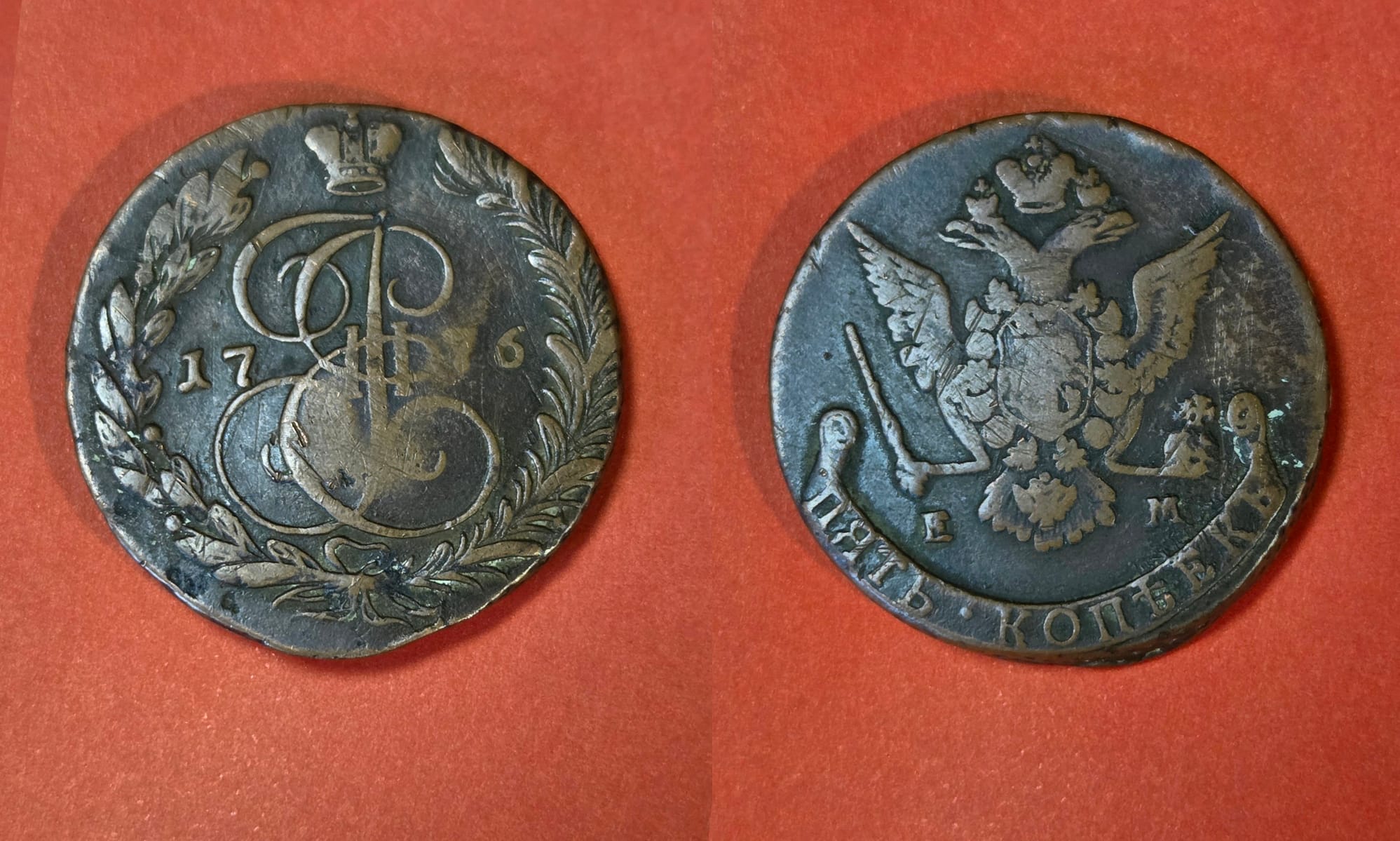
However, we found the house's "birth certificate" hidden in plain sight. Tucked away over a doorframe was a copper 5-kopek coin dated 1776. In Estonian building tradition, these were often placed as luck charms. Finding a 250-year-old coin from the era of Catherine the Great suggests that while we are busy "nailing it (sort of)," the original masons clearly nailed it for the long haul.
- The Foundation: The base of the house is made of heavy fieldstone, built to support the weight of carriages and withstand the elements. It has successfully withstood the elements; now it just has to withstand our DIY ambitions.
- The Evolution: Archival records show that by the 1920s, the building was a "three-in-one" structure: a driving stable, a carriage house, and living quarters. It officially became a private farmhouse in 1932, beginning its transition from noble service to family chaos.
- The Aesthetic: By moving away from modern "easy fixes" like drywall and returning to the methods of our ancestors, we are trying to give the building back its original dignity—even if we lose our minds a little bit in the process.
Building for the Future, Honoring the Past
This philosophy guided every step of our greenhouse build. We didn't want a structure that felt like a plastic space pod landed next to an 18th-century stone coachhouse.
We’ve realized that we don’t really "own" a place with this much history. We are simply its current stewards, doing our best to ensure that this old carriage house survives for the next century. We might not always get it right on the first try, but we’re honored to be part of the story.
-Liidia