
Project Finished! The Corgi-Approved Garden Greenhouse
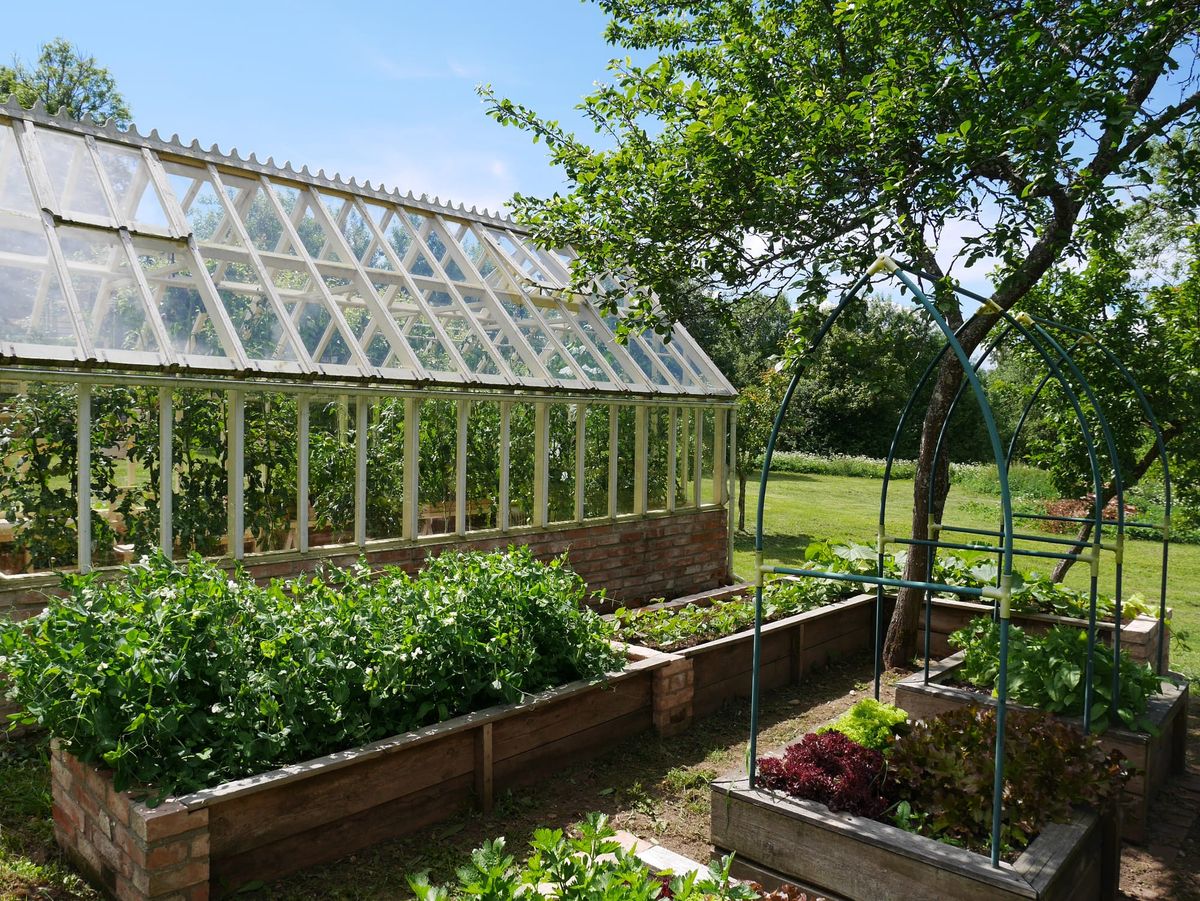
When we first moved to the countryside, we promised ourselves that there would be only leisure and basking in the sun - no gardening for vegetables or looking after the endless flowerbeds that need weeding every other day. And we kept to our promise, the only useful thing our garden produced were the inherited apple trees and even most of those riches went back to the soil - there were just too many to utilize.
Somewhere along the way we gave in to the pressure of the romantic idea of gathering your own food and started to dream of the fresh ripe tomatoes and crunchy cucumber on the morning sandwich. So we looked into the greenhouses and as usual everything on the market was either too plastic, too expensive or too modern. And that’s the thing about us - if something is too much, we WILL build it ourselves, lose our minds over it and probably in the end it will come out costing us more in time and money as it would have if we’d just gone the normal route and bought the first likeable option instead.
Getting Started: The Non-Negotiable Requirements
Our vision wasn't just a place to grow things; it was a permanent, beautiful garden structure that looked like it had been here forever, not a temporary plastic tent. The modern aluminum kits just didn't suit the older feel of our property. This meant going custom, which, as we knew, meant embracing the madness.
Why We Fell for the Brick Base
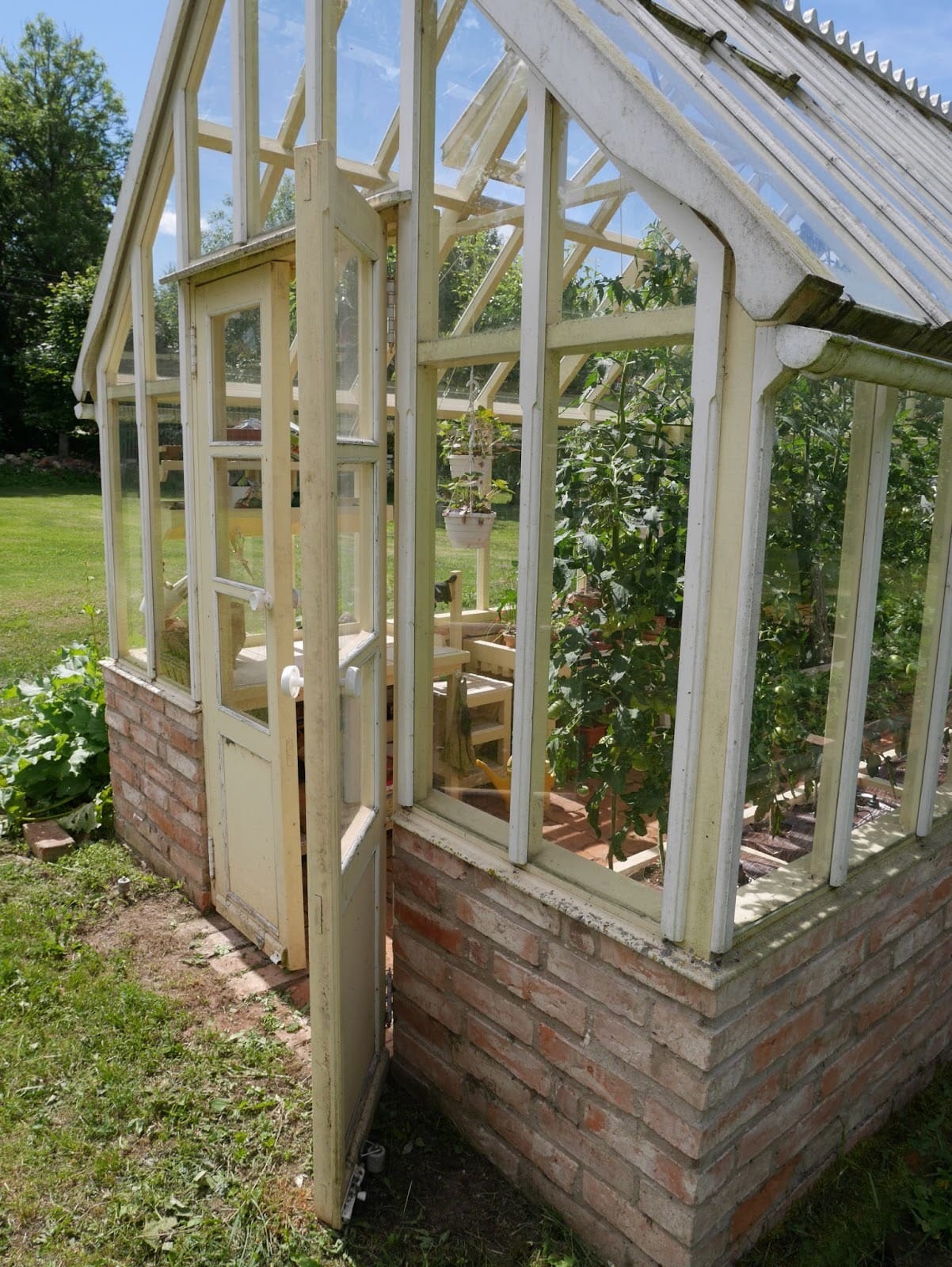
From the beginning, the structure had three non-negotiable design elements: lots of glass, classic A-frame style, and a sturdy brick base. The English greenhouse fit all of those critireas to the T.
This wasn't just an aesthetic choice; it was a functional one, though it seriously added to the build time.
- Thermal Mass: The bricks are the backbone of our passive heating system. They absorb heat during the day and slowly release it at night, helping to stabilize the temperature and protect our precious seedlings from sudden cold snaps.
- Durability: The half-wall protects the wooden frame from soil, moisture, and potential splashback when watering. It anchors the whole structure firmly against the wind.
- Aesthetics: Let's face it, nothing says "classic garden" like a beautiful red brick wall. It instantly elevated the look from 'shed' to 'sun-drenched sanctuary.'
Site Selection: Finding the Perfect Spot
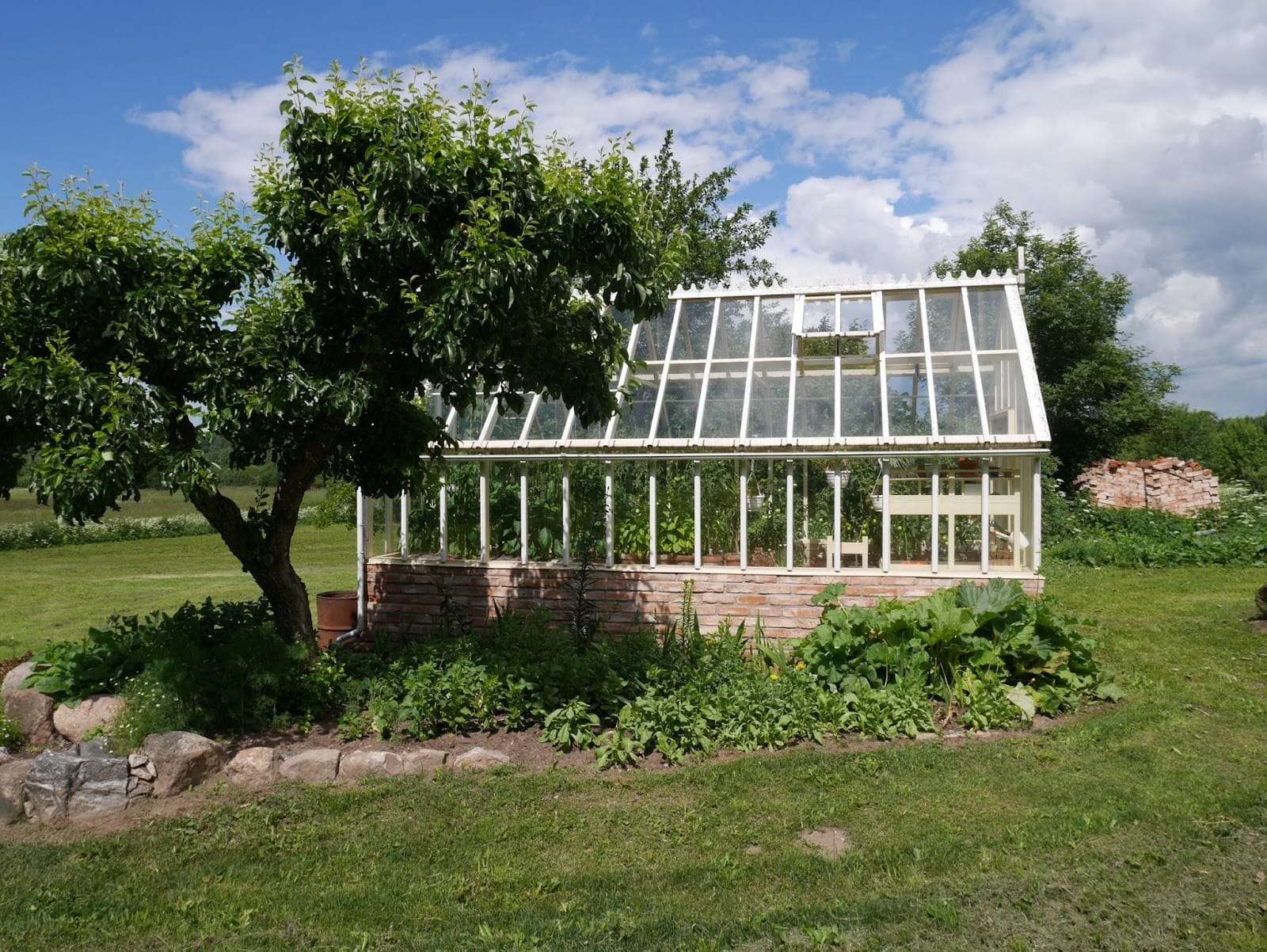
Before we could lay a single brick, we spent far too long plotting the perfect placement. Our main criteria were sun exposure (it needed full southern exposure for those demanding tomatoes!) and integration with the existing garden. We found a great spot near an old pear tree and since the foundation of our house actually had originally ended there, it made the base building that much easier.. This also gave us space nearby to build out complementary raised garden beds for our hardier vegetables and herbs.
The Wooden Frame: Where Precision Met Patience
With the brick foundation cured and solid, it was time to build the heart of the structure—the wooden A-frame. This is where Heiko’s love for traditional woodworking really shone (or, depending on the week, became the source of mild marital tension!).
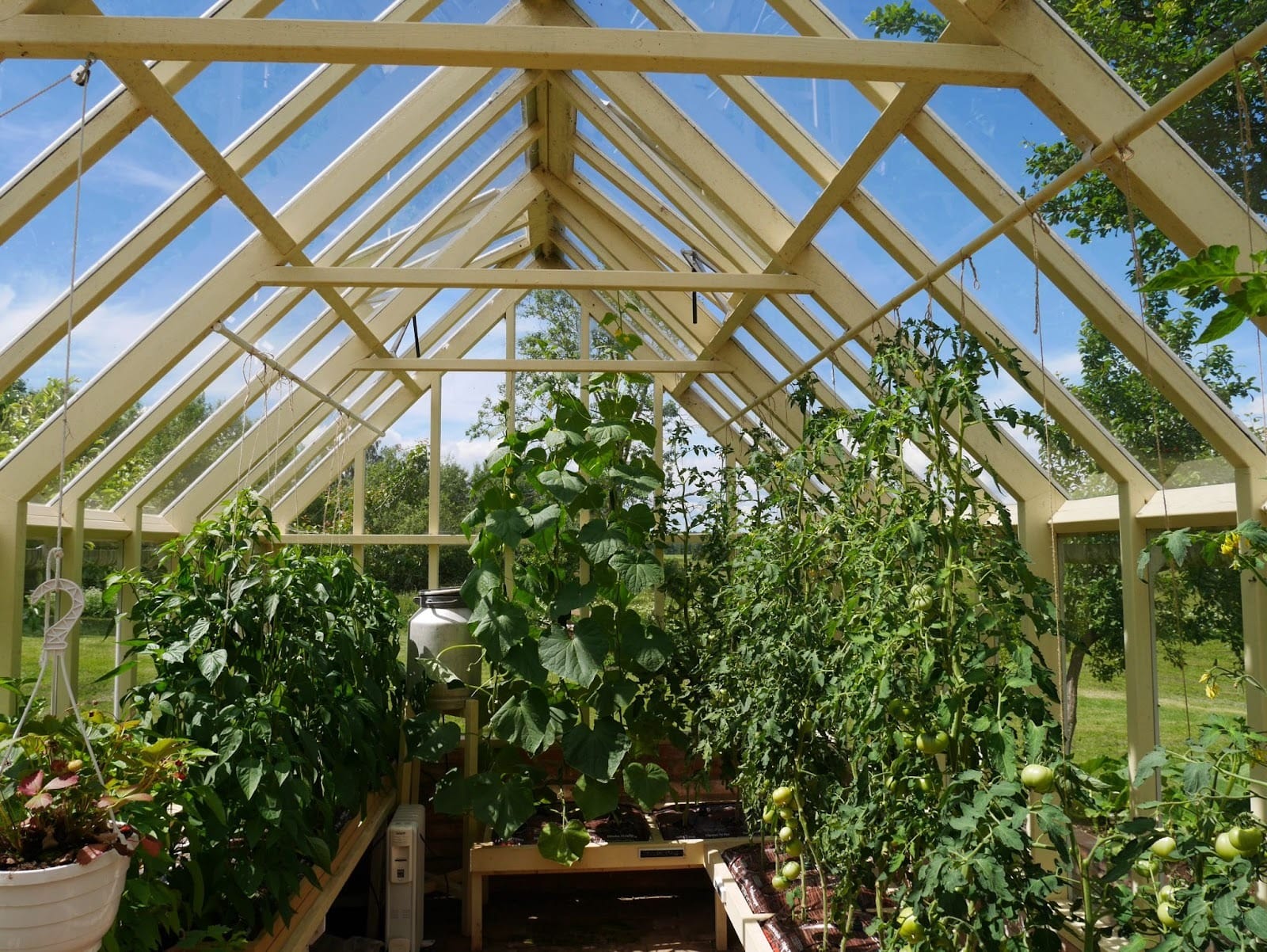
The wooden frame is where the actual magic happened. Heiko insists on the strength and beauty of traditional mortise and tenon joints, so he went to town with the chisel. The reason our projects take forever is the damn chisel, actually, as every connection is meticulously carved to lock the beams together. It's an incredibly strong, intricate structure that speaks to proper craftsmanship, but let's just say we moved onto the glazing phase several weeks later than planned!
The Timeless Finish
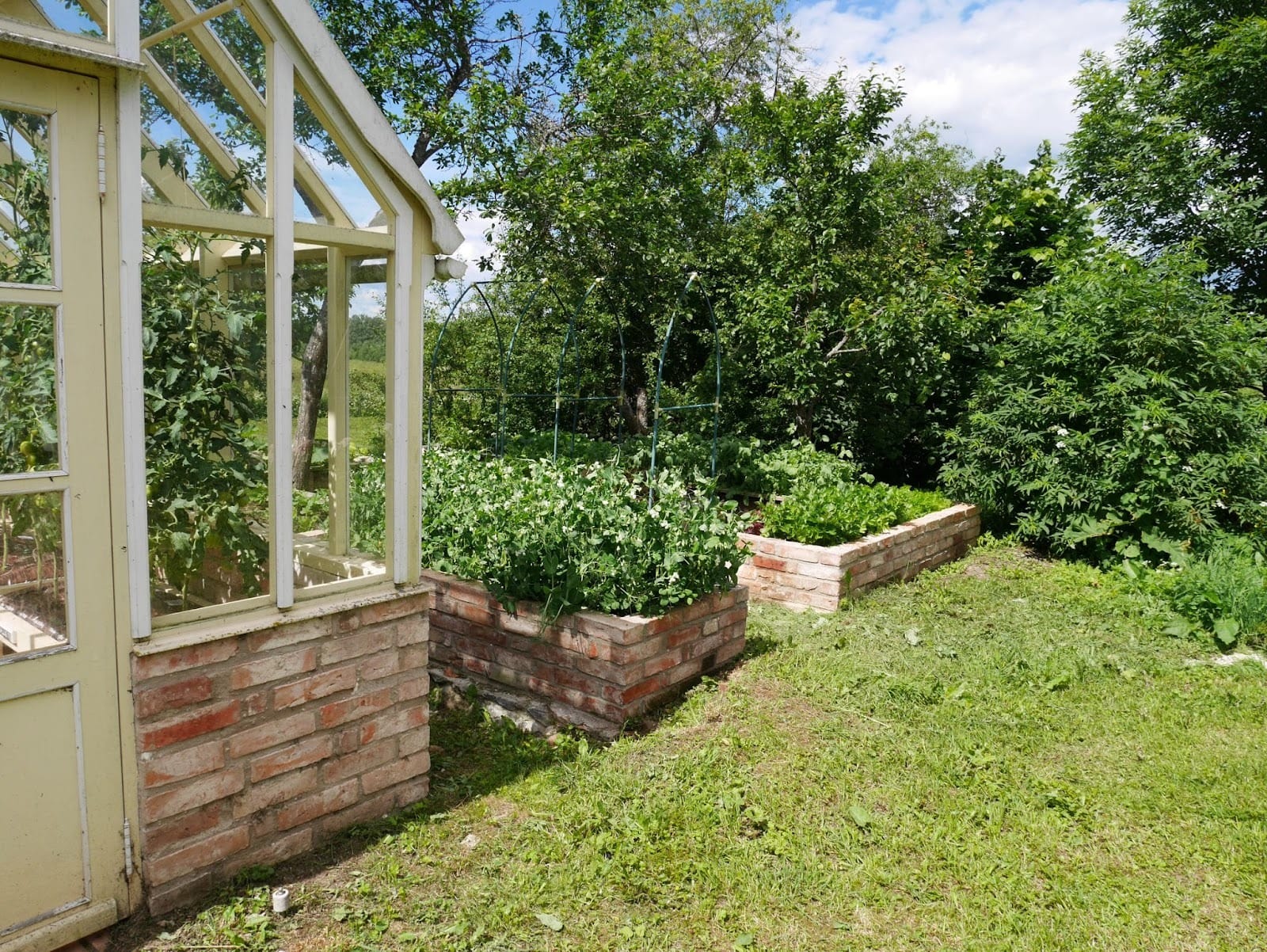
For the look, we decided against stark white. Heiko first painted the entire structure a warm, light beige/cream. Once dry, he gave the wood a subtle dry-brushing overlay with white paint. This instantly gave the greenhouse a slightly aged, worn finish, making it look like a beloved structure that has been part of the garden for decades.
Getting Glazed: A Pane in the... Side
The glass was all ordered to size from a local glass company. Boy, am I glad I am not allowed near those types of installations, so it was on Heiko once again to install every last piece. While the size of the panels made the installation straightforward, there were just so many of them! It was a careful, repetitive task, but in the end, the sheer amount of glass lets in maximal light, and the result speaks for itself—it was well worth the effort.
The Secret Weapon: Self-Regulating Vents
We wanted the greenhouse to be as self-regulating as possible, which is crucial here in Estonia where temperatures can swing drastically. If you're going to extend the season, you need temperature control! Our solution was investing in four self-opening windows in the ceiling.
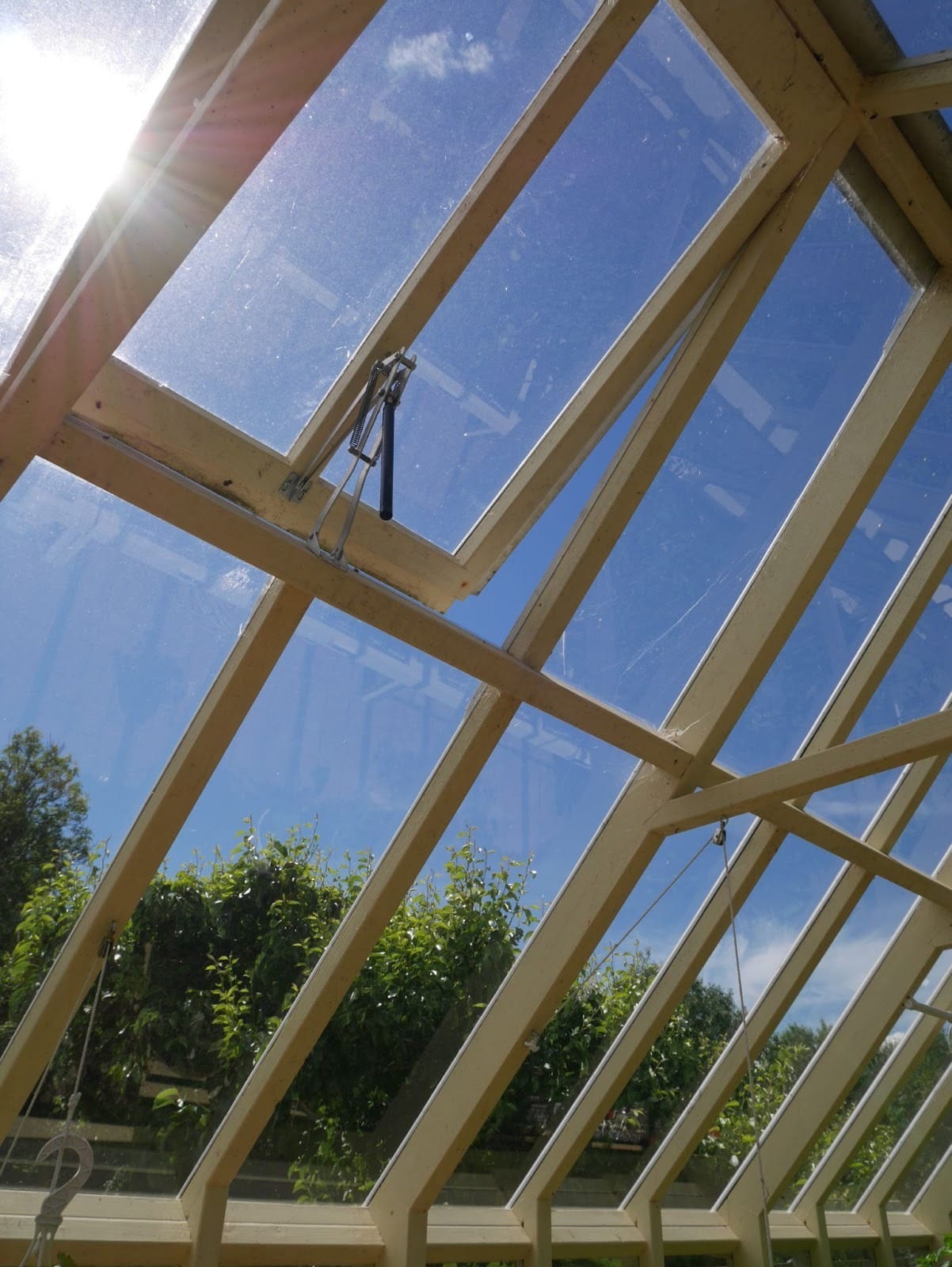
These thermal vents contain a cylinder filled with wax or mineral oil that expands when the temperature rises, automatically pushing the window open. When it cools, the wax contracts, and the window gently closes. It’s been a fantastic investment that has saved countless trips to manually vent the house and has been a conversation topic with many visitors!
Interior Setup and Functionality: Making the Space Work
With the frame sealed and the vents installed, we moved into the interior—the space where the magic (and eventual disappointment) was meant to happen. We designed this area for function, comfort, and character.
The Rustic Brick Floor and Growing Beds
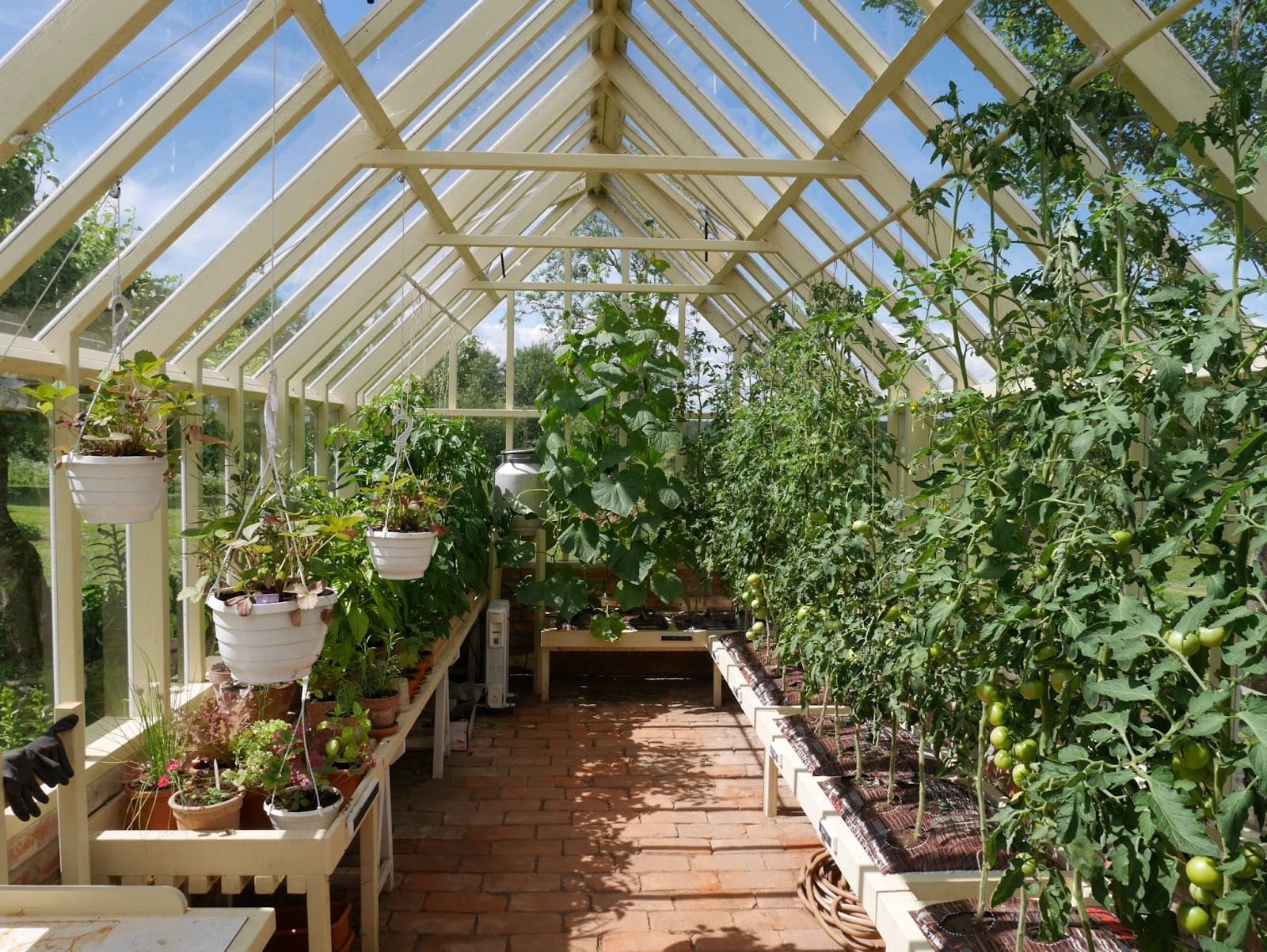
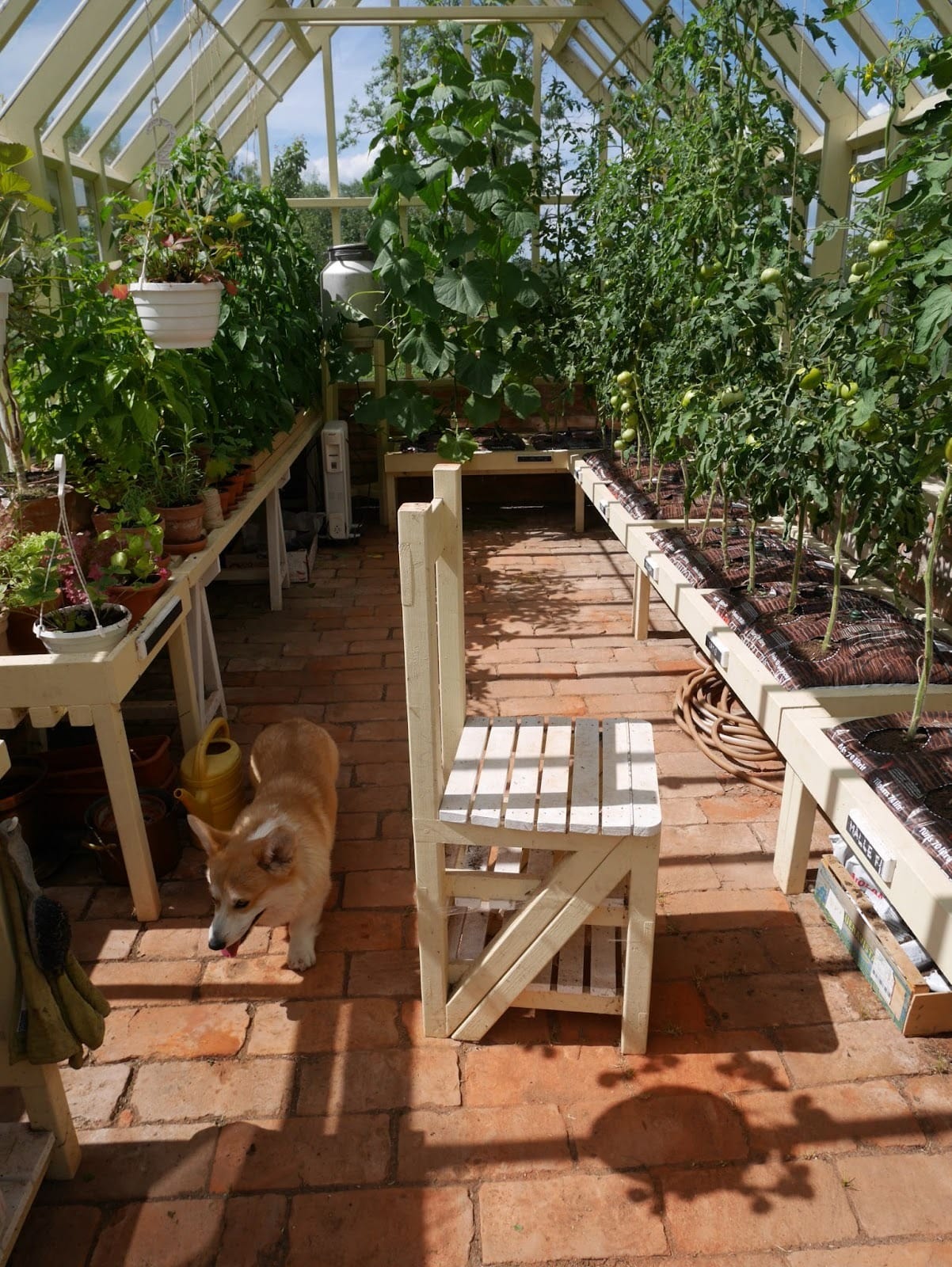
For the flooring, we wanted to continue the beautiful red brick theme inside, so we laid them directly on the earth. It gives the greenhouse an easygoing, effortless look, and helps connect the exterior foundation with the inside. Yes, it does make for a bit of extra work getting rid of those pesky weeds poking through the cracks, but the aesthetic payoff is worth the occasional weeding session!
The main growing beds are essentially long, raised boxes that house the soil bags we use for our crops. Every year we get new, fresh bags for the greenhouse, and then reuse the old soil on the outside beds. This not only makes life simpler by eliminating the need to constantly dig through and amend the greenhouse soil, but it also keeps the space remarkably neat and tidy (at least until harvest!).
The Tiled Potting Bench & Custom Comforts
For the working space, someone (Heiko, naturally) went to town once again.
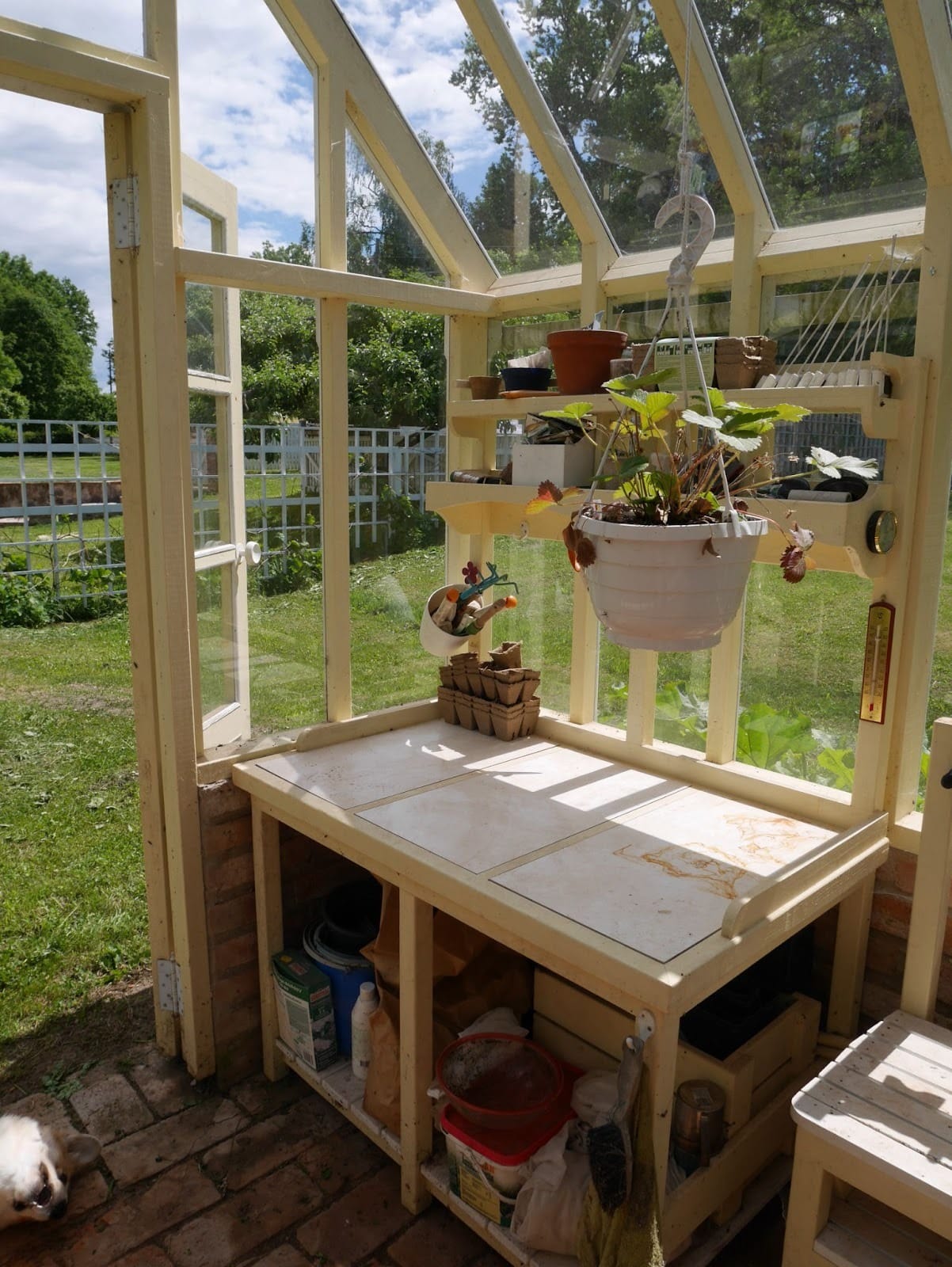
- The Bench: We had some leftover white tiles from our kitchen renovation, which we smartly used to top the main workbench. This tiled surface makes for super easy cleanup—just wipe away the dirt and spilled potting mix.
The Stool: The small, tiered wooden stool (a little Pinterest inspiration) doubles as practical, compact storage and a handy step-up stool. It’s perfect for reaching the very top of the tomato plants and helping with tying up the climbing cucumber vines.
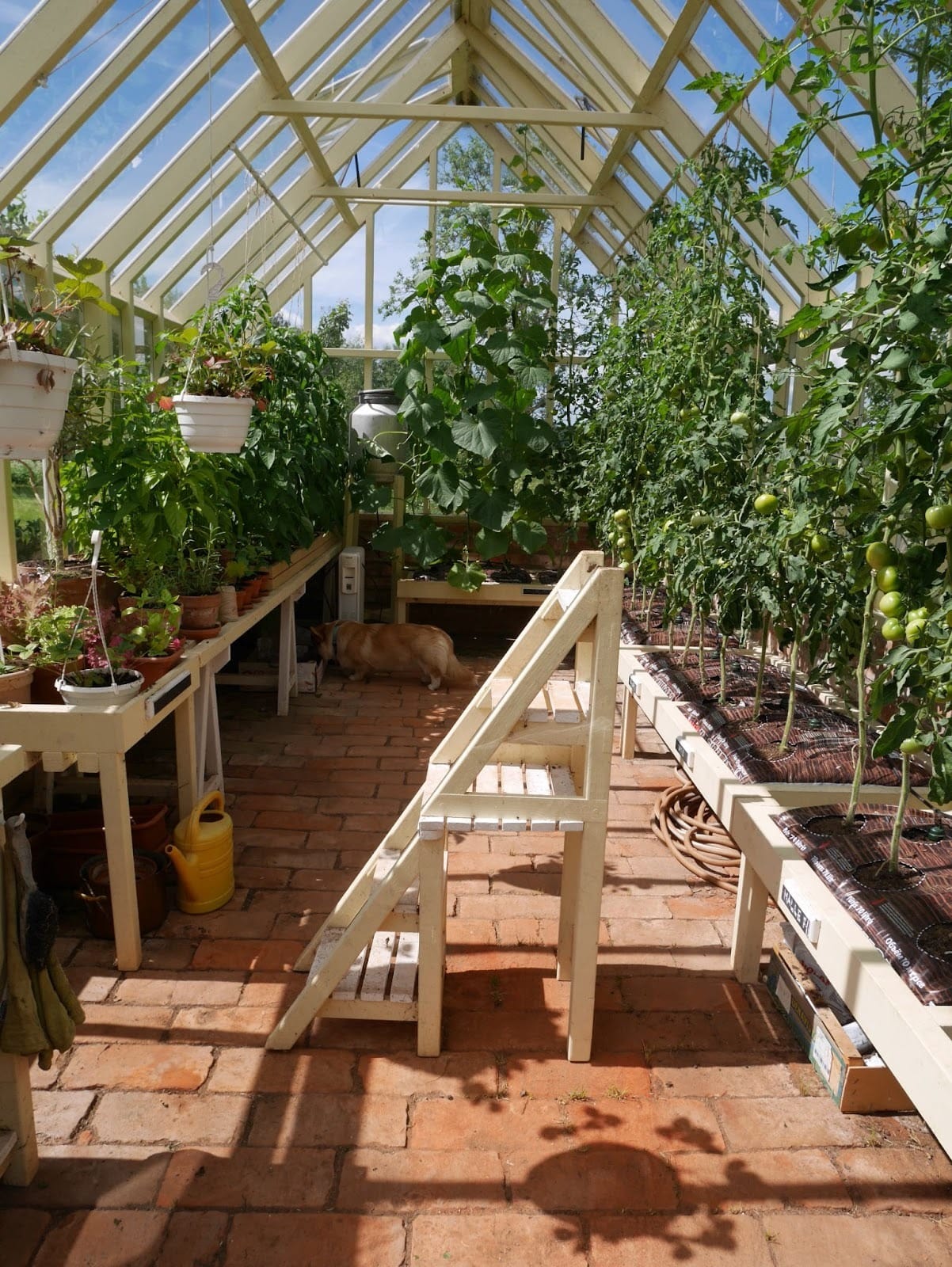
Storage & Display: The bench is surrounded by custom shelves for seed packets, pots, and our indispensable thermometers. The overall result is a cozy, custom look that feels like an extension of our home.
The Automatic (Sort Of) Watering System
As you would imagine, we are a bit lazy with the tedious everyday tasks (it is much more fun and rewarding bringing new ideas to life!), so we knew from the start that the watering system needed to be as automatic as possible.
Our solution was a clay spike drip system—those little terracotta spikes that you bury in the soil to regulate moisture. They make life so much easier, as you only need to fill a main reservoir tank every few days instead of watering every individual plant daily.
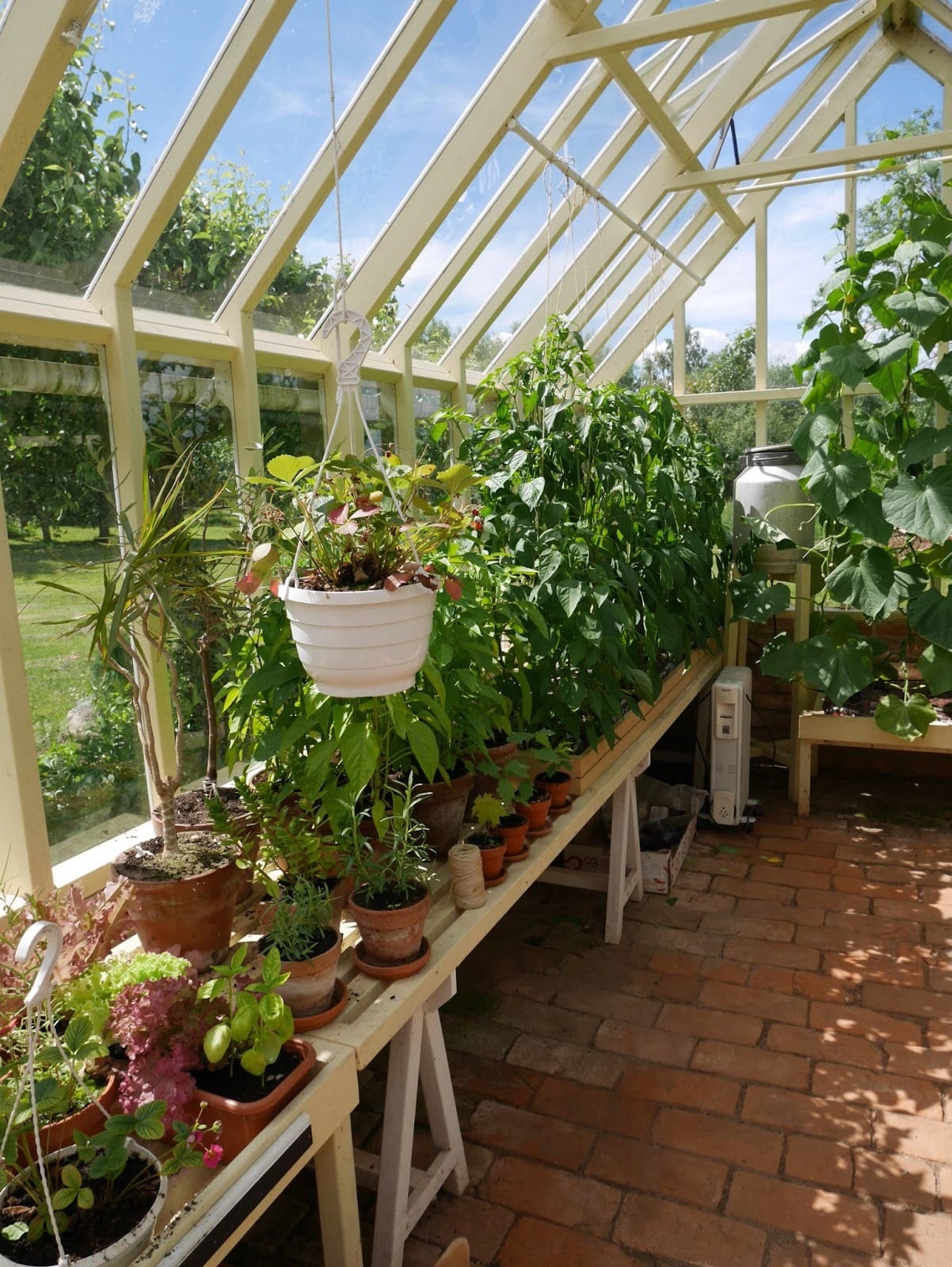
For that reservoir tank, we repurposed an old relic: the classic milk can. For those unfamiliar with the Soviet-era lore prevalent here in Estonia, small farmers used to leave their fresh milk out on the roadside in these large cans. When the milk truck came, the driver would stop and pour it into the tanker. Reusing it now adds a perfect piece of our local history and a great story to the corner of our greenhouse.
Life in the Greenhouse (The Corgi-Approved Outcome)
And now for the hard lessons learned in life—if you know yourself, no amount of romantic thinking will change your core. The tomatoes were fabulous, naturally, but getting to the point of harvest? Not so much.
First, we tried to do everything ourselves. That meant buying the seeds, pre-raising them, and then, when the weather was just right, planting them in the greenhouse. It also meant that from early March to May, most of our windowsills were full of baby plants, and we had to get extra heating pads for them to survive.
We soon realized that it was much easier (and perhaps saner) to just buy the small plants from a local nursery and get them straight into the greenhouse. Then we had years when our crop was just not all that—the tomatoes were small, there weren't enough of them, and a mysterious disease finally got to them. We had a choice: go in with hard chemicals to clean the greenhouse, or we could just... not do it.
The outside herb and vegetable garden was a bit of a disaster, too. Not paving the walkways meant that the weed took over, and you had to fight constantly to keep them at bay. The wooden boards holding the beds rotted, and we just gave up in the end. We have plans to replace them with plastic boards this spring, so we will update on that if we actually get around to it.
The Grand Reimagining
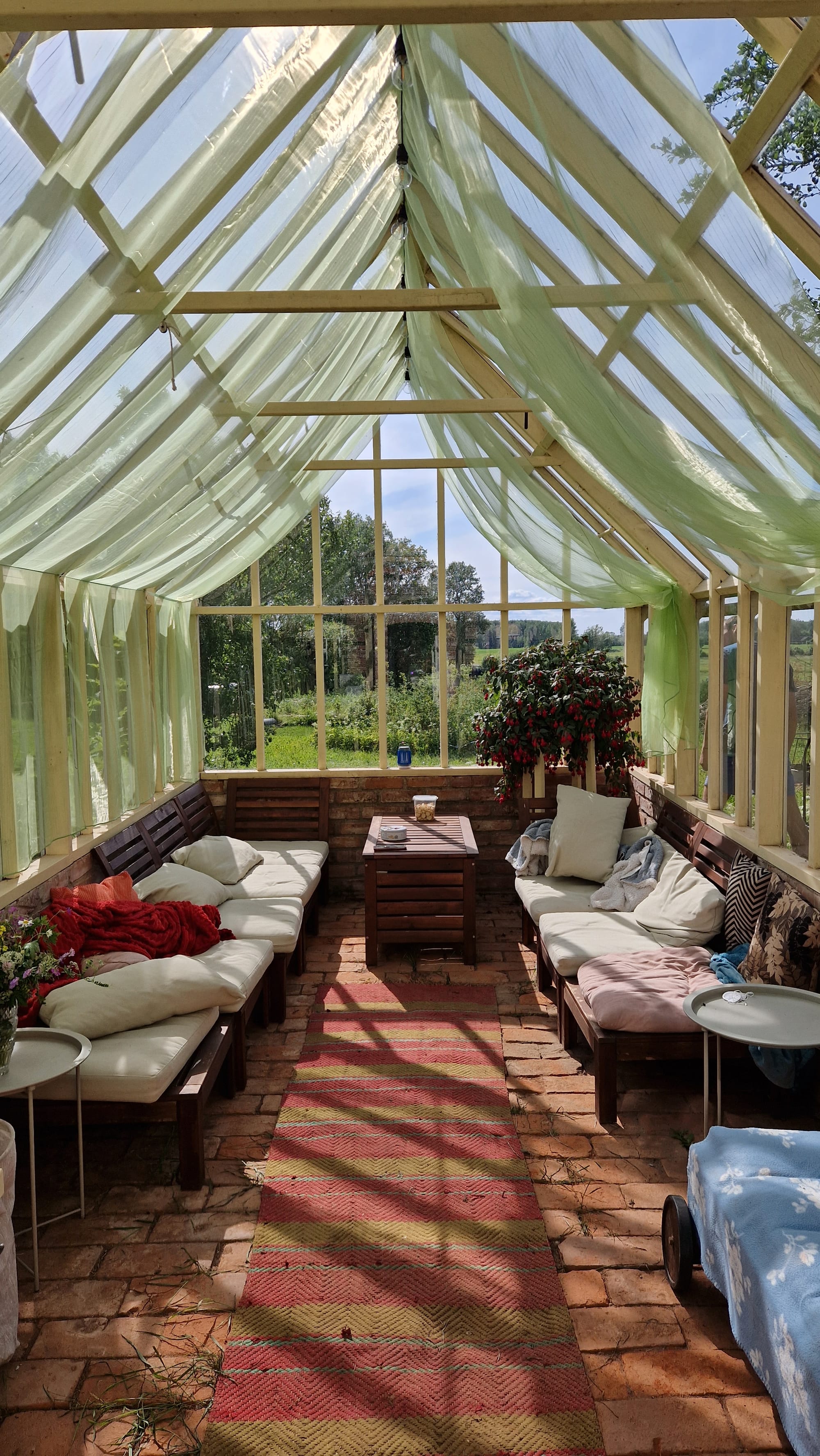
Instead of fighting our nature, we reimagined our greenhouse. We purchased some lovely fabric, made some simple curtains, moved our comfortable terrace seating in, installed lights, and now we have a romantic, sun-drenched sanctuary for our garden parties.
It is absolutely lovely for those slightly chilly Estonian Midsummer evenings, away from the mosquitoes, and perfect for sipping on fresh strawberry margaritas. We couldn't have imagined a better outcome for the space!
Besides, the new setup is wholeheartedly approved by our lead quality control inspectors (and occasional digging assistants), Hagrid and Ginny. They find the brick floor cool on a warm day and the entire structure an excellent place for a midday nap.
-Liidia