
The Roof: Our Personal "Stormy Sea" and the Mystery of the Missing Beams
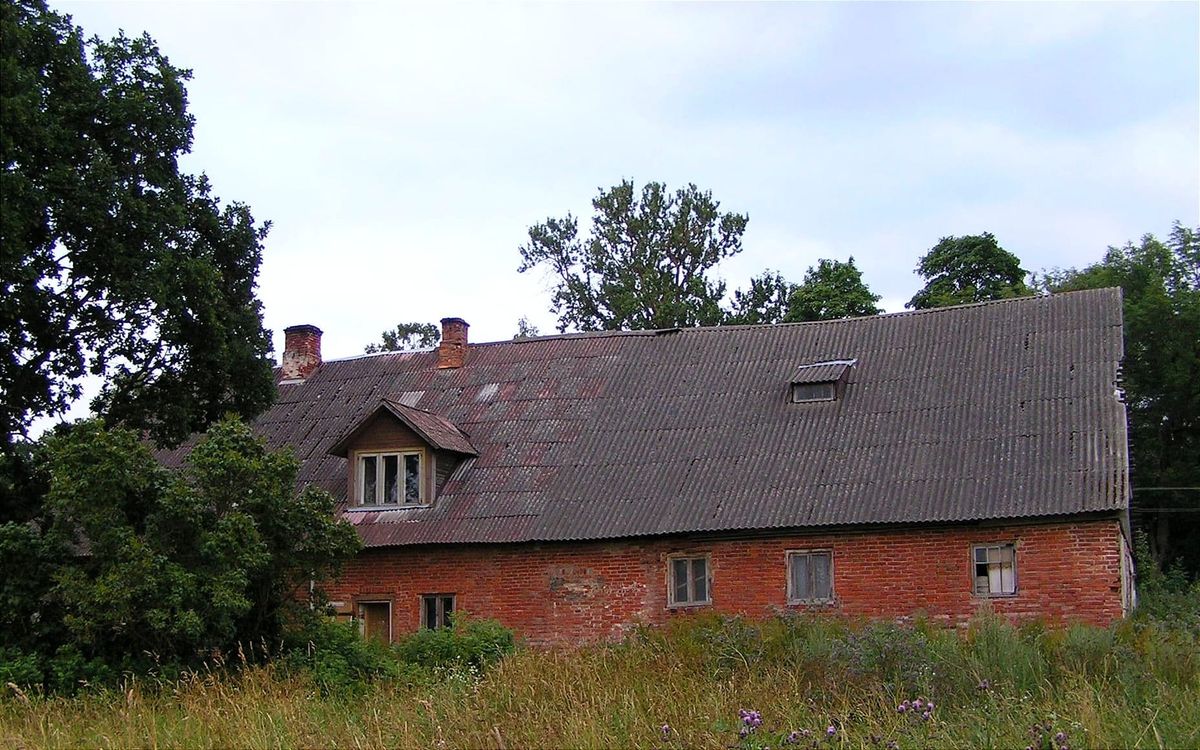
Every experienced builder emphasized one thing: a house renovation must start with the roof. Theoretically, that’s sound advice, but our roof... well, let’s just say we lived in constant fear. Every major gust of wind made us worry the roof would decide to pack itself up and relocate to a heap in the neighbor's yard.
A Structural Crossword Puzzle Our home is built in the traditional Estonian threshing-barn style—massive, 15 meters wide and 30 meters long. Originally, the heavy ceiling beams ran across the width of the house to hold everything together. However, over the years, the elements had not been kind.
Looking at these 15-meter spans, you have to wonder where a builder in 1776 even found such a thing. While we don’t have the receipts, there’s a strong chance these beams didn't grow anywhere near here. Historically, for a width this massive, you had to look across Lake Peipsi toward the old-growth forests of Russia. The hypothesis is that these timbers were felled in the dead of winter, lashed into rafts, and floated across the lake before being hauled by horse teams over frozen ground to our site. It wasn’t a romantic journey; it was a brutal logistical nightmare designed to create an "industrial" scale barn that could handle the estate’s needs without a forest of internal pillars getting in the way. Standing under that wavy roof today, it’s a sobering thought that if one of those beams finally gave up, we wouldn’t be heading to the local hardware store for a replacement—we’d be looking for a time machine and a very long raft.
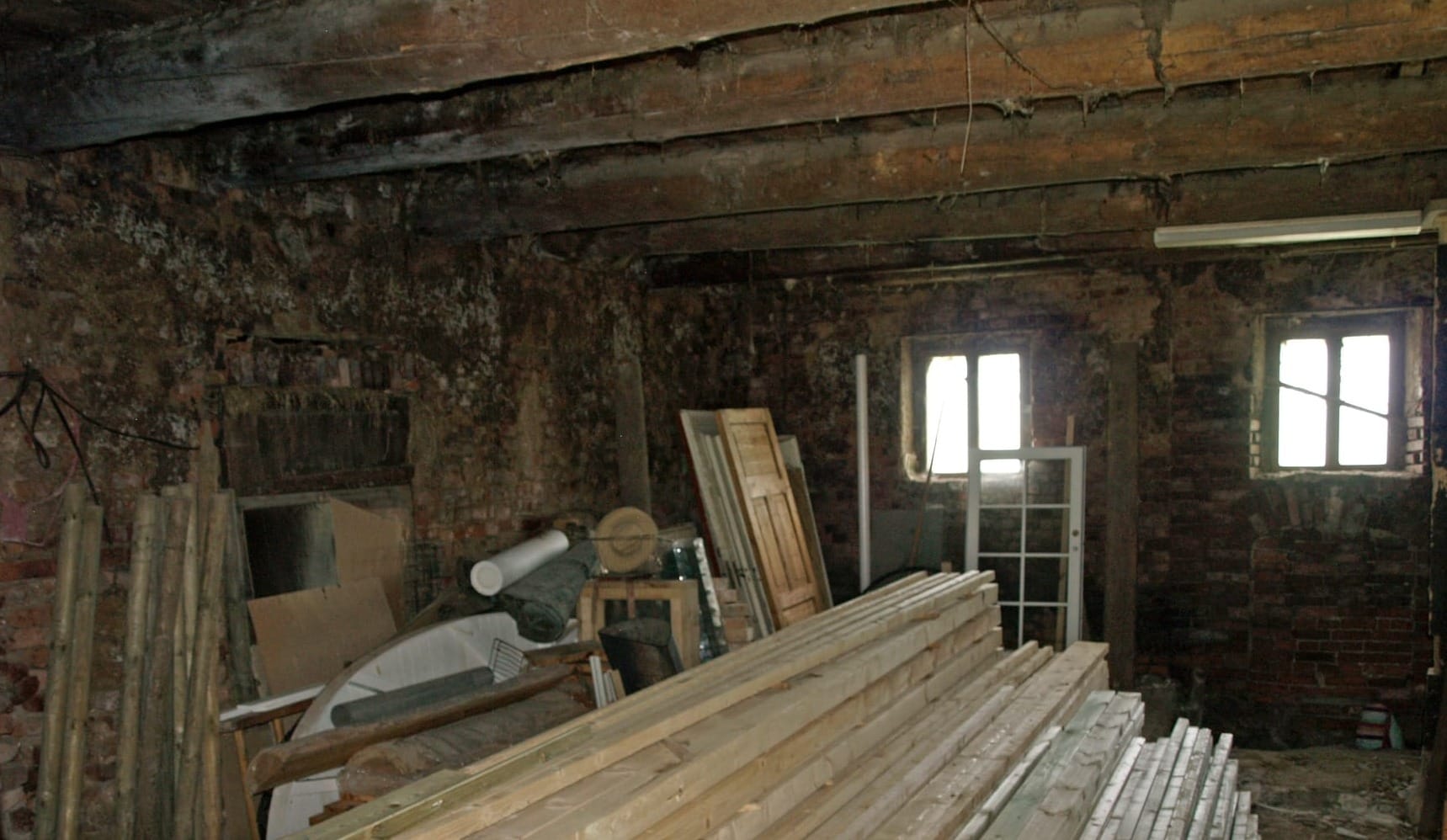
Above what is now the stable, those original cross-beams had rotted away completely. Because the exterior walls had also begun to crumble, the previous "fix" was a structural nightmare: new beams had been installed, but since there was no solid outer wall left to support them, they were simply rested on the internal walls, running lengthwise.
Without the cross-beams to tie the structure together, the weight of the roof was effectively pushing the exterior walls outward. The house was trying to flatten itself like a house of cards. Before we could even think about red roof tiles, we had to stop the walls from making a run for it.
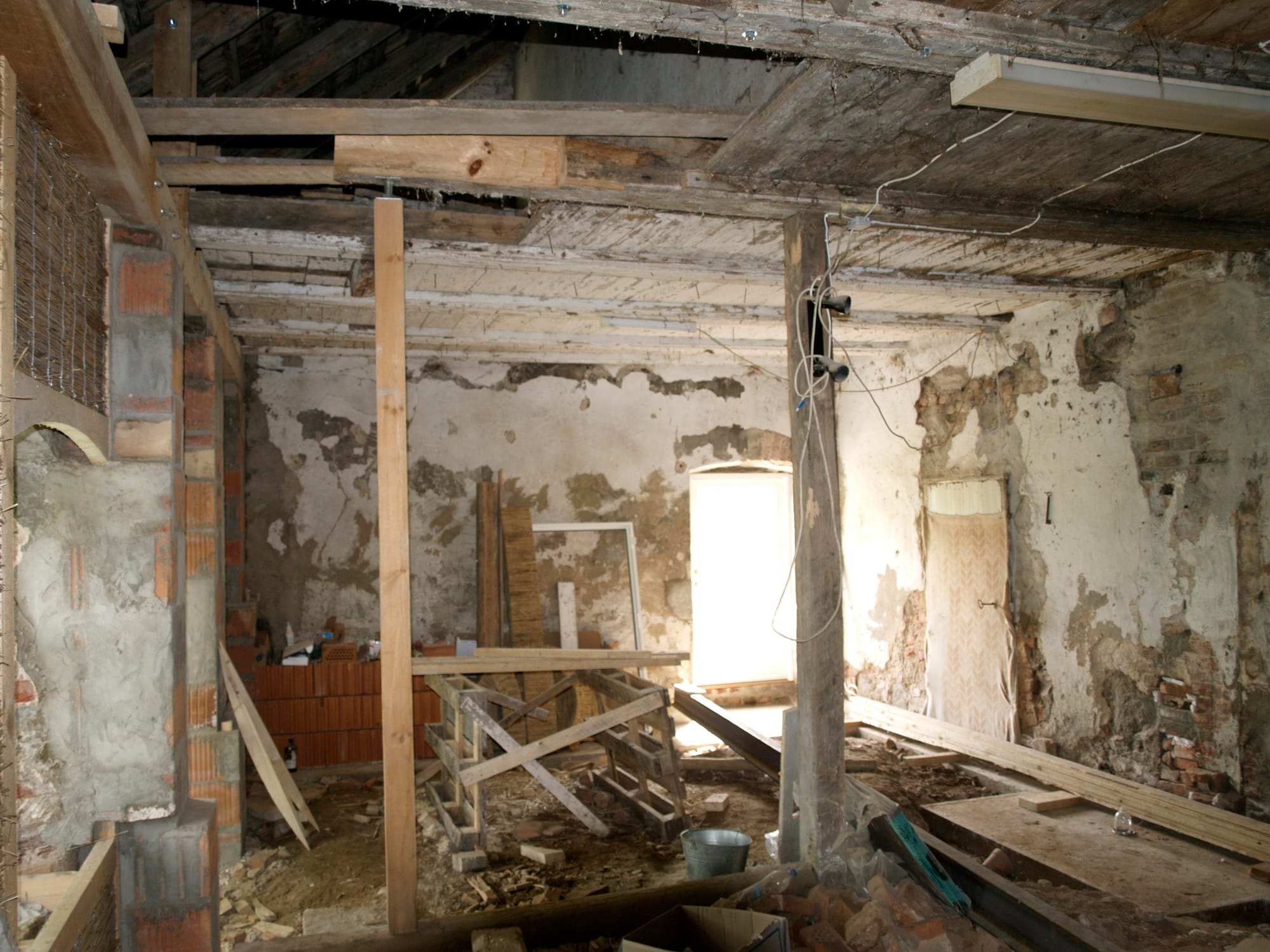
But that wasn't all. The rafter ends were decayed, and it was a pure miracle the whole thing hadn't collapsed on our heads. Perhaps the most shocking discovery? It turned out previous inhabitants had used the collar beams (pennid) as simple firewood during particularly harsh winters. It’s no wonder the roof had sagged in the middle, burdened by hard times and missing parts.
DIY: Life Amidst a Shipwreck Before our dream red roof tiles could replace the Soviet-era asbestos sheets and the ancient wood shingles hiding beneath them, the entire system had to be renewed. This would have been a simple job if we could have removed the roof all at once and moved elsewhere. But we had nowhere to go, and certainly no budget to hire a construction firm to do it for us while we sunbathed. So, good old DIY it was.
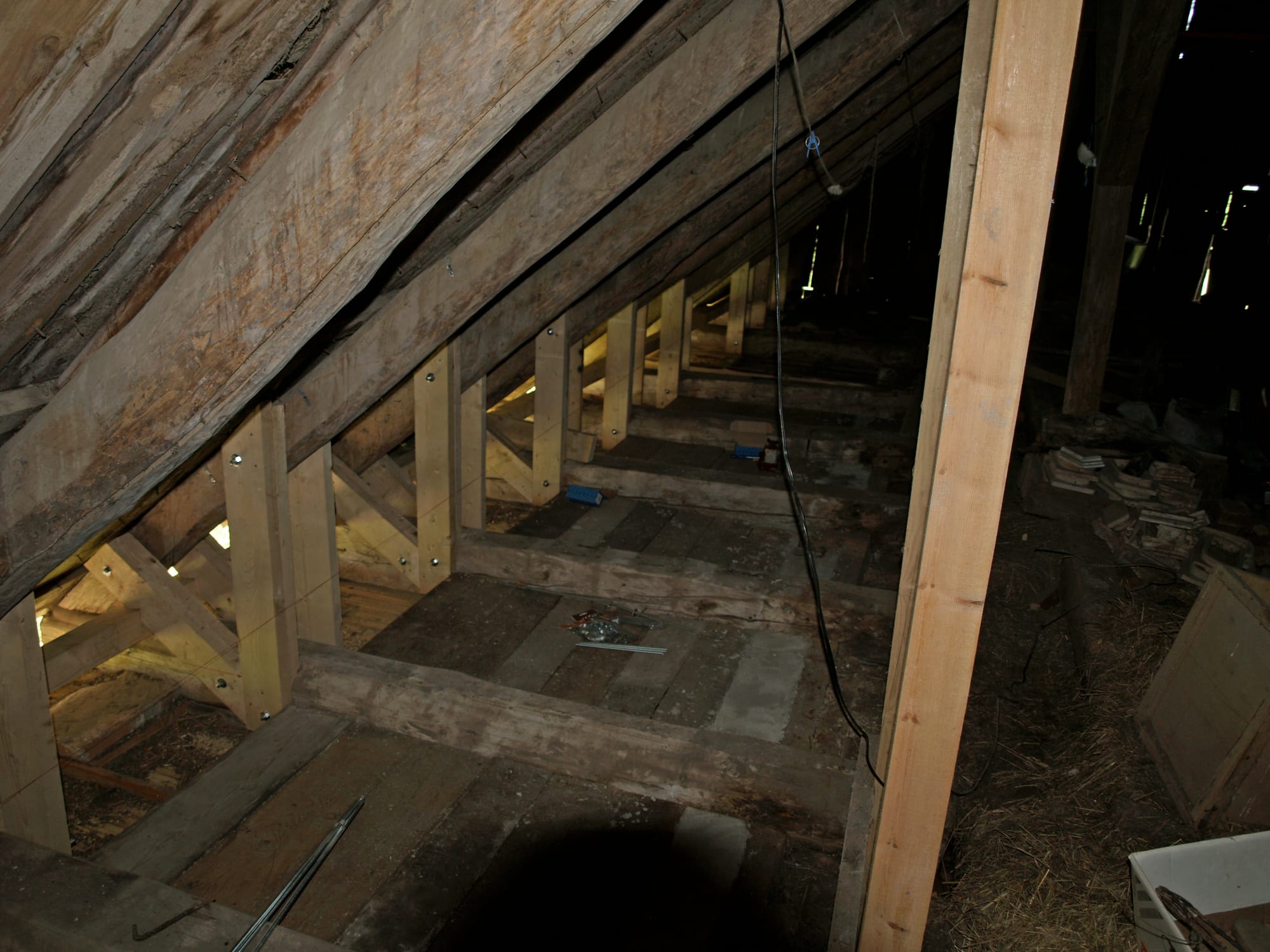
Heiko started by securing the questionable rafter ends, moving their connection point about a meter inward from the eaves onto a new wall plate. To this day, that innovation has saved practically the entire house.
One Man’s Persistence vs. Stubborn Wood To get the crooked roof straight again, we used every tool in the brainstorm box: jacks, straps, and all sorts of temporary wooden structures. No idea was considered too crazy. Year after year, Heiko nudged that lopsided roof frame back into its rightful place.
There were days when we were all ordered out of the house because the roof was popping and cracking like a wooden sailing ship in the middle of a stormy sea. It was terrifying, but one man’s persistence eventually defeated the time-bitten wood. Today, the roof is almost straight!
The Firewall and the "Strategic" Leak
Faced with exterior walls that were practically waving goodbye, Heiko decided to fix the crumbling structure while adding a much-needed safety feature: a massive firewall. He painstakingly laid a brick wall that cuts all the way through the roofline, finally creating a solid divide between the living quarters and what is now the stable. It’s functional, it’s safe, and most importantly, it actually stays where it’s put.
Of course, the house still had one last sense of humor to share. Out of a roof that is 30 meters long, the only part that leaked happened to be directly over our bed. There is nothing quite like being woken up in your "manor" by a persistent drip-drip-drip on your forehead.
A Quarter-Mile of Progress (Sort of...)
Today, that leak is a distant, soggy memory. In its place sits exactly what we envisioned years ago: a fresh, vibrant section of red clay tiles. To finish it off, we added custom-made copper gutters—bent and shaped by hand right here on-site—that now frame our bedroom window.
I promise to post photos of this eventually. Right now, though, it’s buried under a blanket of snow, and a deep-dive into our digital archives confirms what I feared: nobody actually bothered to document this 'fancy' section of the roof. Apparently, we were too busy surviving the renovation to act as our own architectural paparazzi.
We have officially finished one-quarter of the living quarters' roof. It is beautiful, it is bone-dry, and it stands as a shining (literally, thanks to the copper) symbol of what we can achieve. As for the other three-quarters? Well, they’re still there, waiting patiently for their turn.
-Liidia