
The Snail’s Pace: Giving New Life to an Estonian Classic
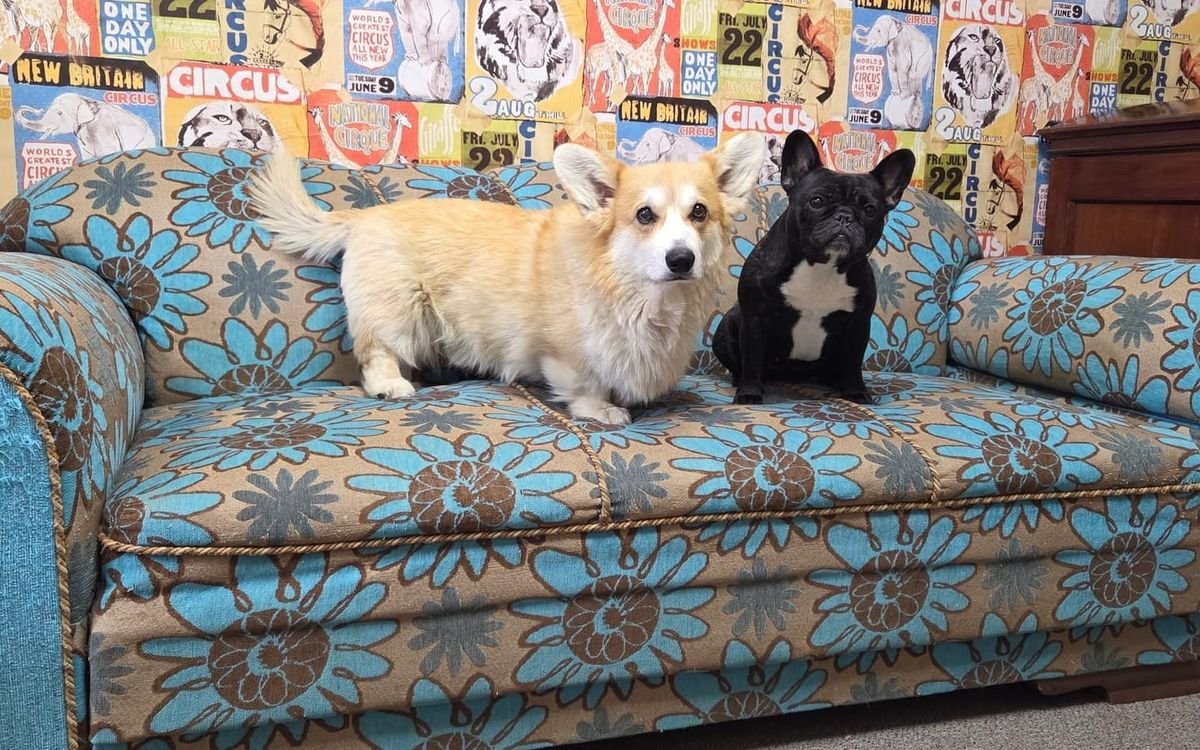
In the world of Estonian furniture, there is one piece that reigns supreme as the ultimate symbol of a "proper" home: the Tigudiivan, or Snail Sofa. Born in the 1930s, these sofas are famous for their spiraled armrests and deep, nesting comfort. We became the guardians of an original piece, gifted to us by a friend on one condition—that we would truly give it a new life.
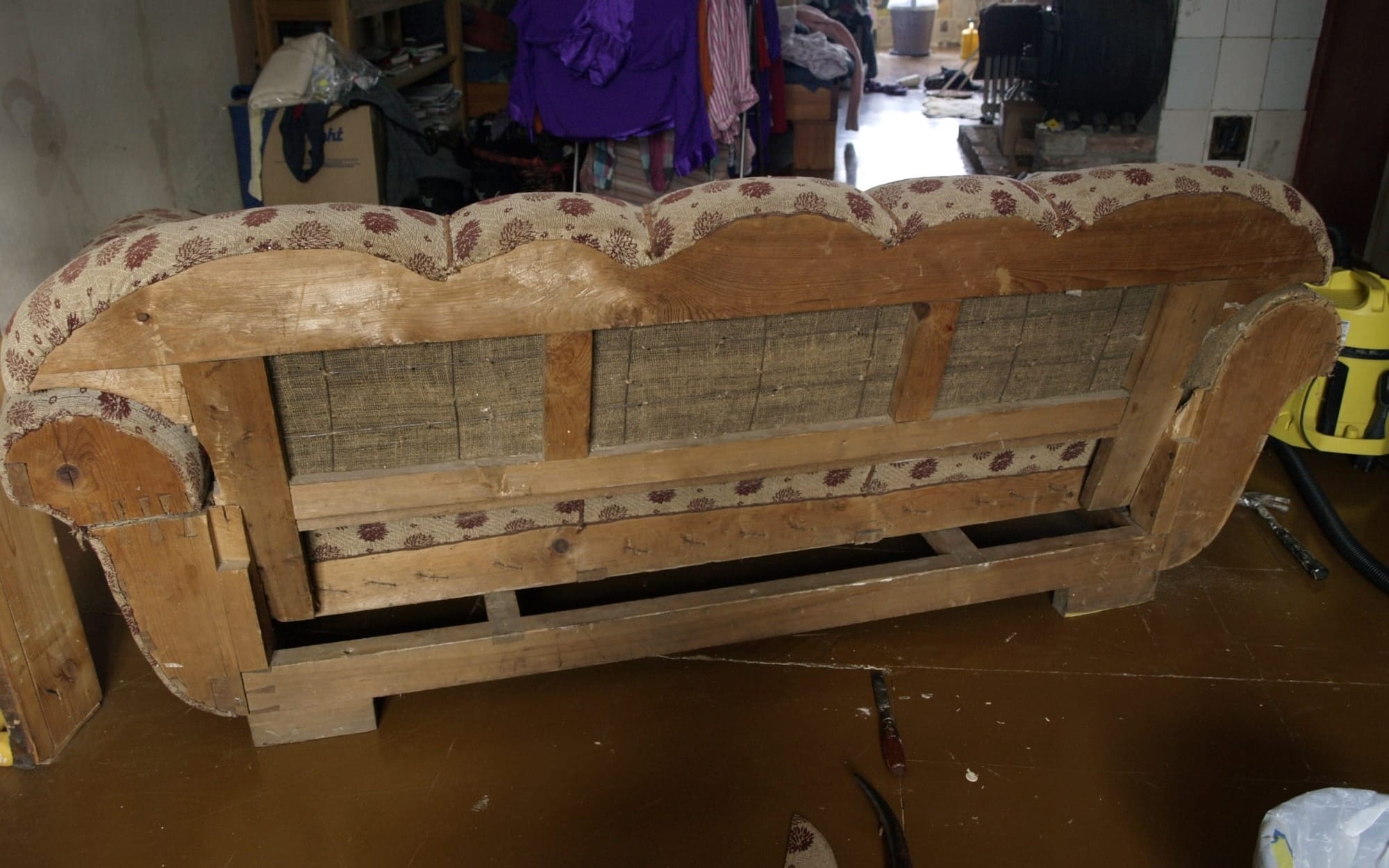
The Anatomy of a Snail
When we received it, the sofa was a ghost of its former self. The fabric was worn, and the springs had long since lost their "boing." But Heiko, never one to shy away from a challenge that involves a thousand tiny tacks and a lot of swearing, decided to do a full restoration using original methods.
This wasn't a "slap on some foam and call it a day" kind of project. To do it right, Heiko had to go back to the 1930s:
The Foundation: The Bare Bones: A Moment of Truth
Stripping a Tigudiivan down to its bare wooden frame is like a home renovation in miniature—you never truly know what’s holding things up until you tear down the "walls." In many old sofas, this stage reveals a horror show: frames riddled with woodworm holes, joints that have turned to powder, or wood that has warped from being left in a damp barn or a leaky shed.
The Perils of the "Barn Find" Usually, when a piece of furniture has been sitting in storage for decades, the fluctuations in humidity cause the wood to expand and contract until the joints literally snap. If the frame is "punky" (soft from rot), there is almost nothing for the new upholstery tacks to grab onto. You end up spending more time rebuilding the skeleton than the skin.
The Room Temperature Miracle Luckily for us, our friend had kept the sofa in a controlled, room-temperature environment. This was the "miracle" that saved its structural integrity:
- Stable Joints: Because it hadn't suffered through the brutal Estonian freeze-thaw cycles, the hide glue in the joints hadn't dried out and cracked.
- Solid Wood: The frame was as sturdy as the day it was built in the 1930s—no rot, no damp-smell, and no "passengers" (wood-boring beetles) had moved in to make a meal of it.
Tack-Ready: The wood was still "alive" enough to hold a tack firmly, which is essential when you're pulling fabric over those high-tension "snail" armrests.
Finding a frame in this condition is rare. It meant Heiko didn't have to spend weeks in the workshop playing "surgeon" to a broken frame; instead, he could focus on the artistry of the build. It was a solid foundation for a project that was meant to last another century.
The Springs - The Geometry of Comfort: Eight-Way Hand-Tied Springs
In modern furniture, "comfort" usually comes from a piece of elastic webbing or a zigzag wire stapled to a frame. But a 1930s Tigudiivan deserves better. Heiko opted for the gold standard of upholstery: the eight-way hand-tied spring system.
The Anchor: Instead of just sitting on the frame, each heavy-gauge coil spring is placed on a bed of jute webbing.
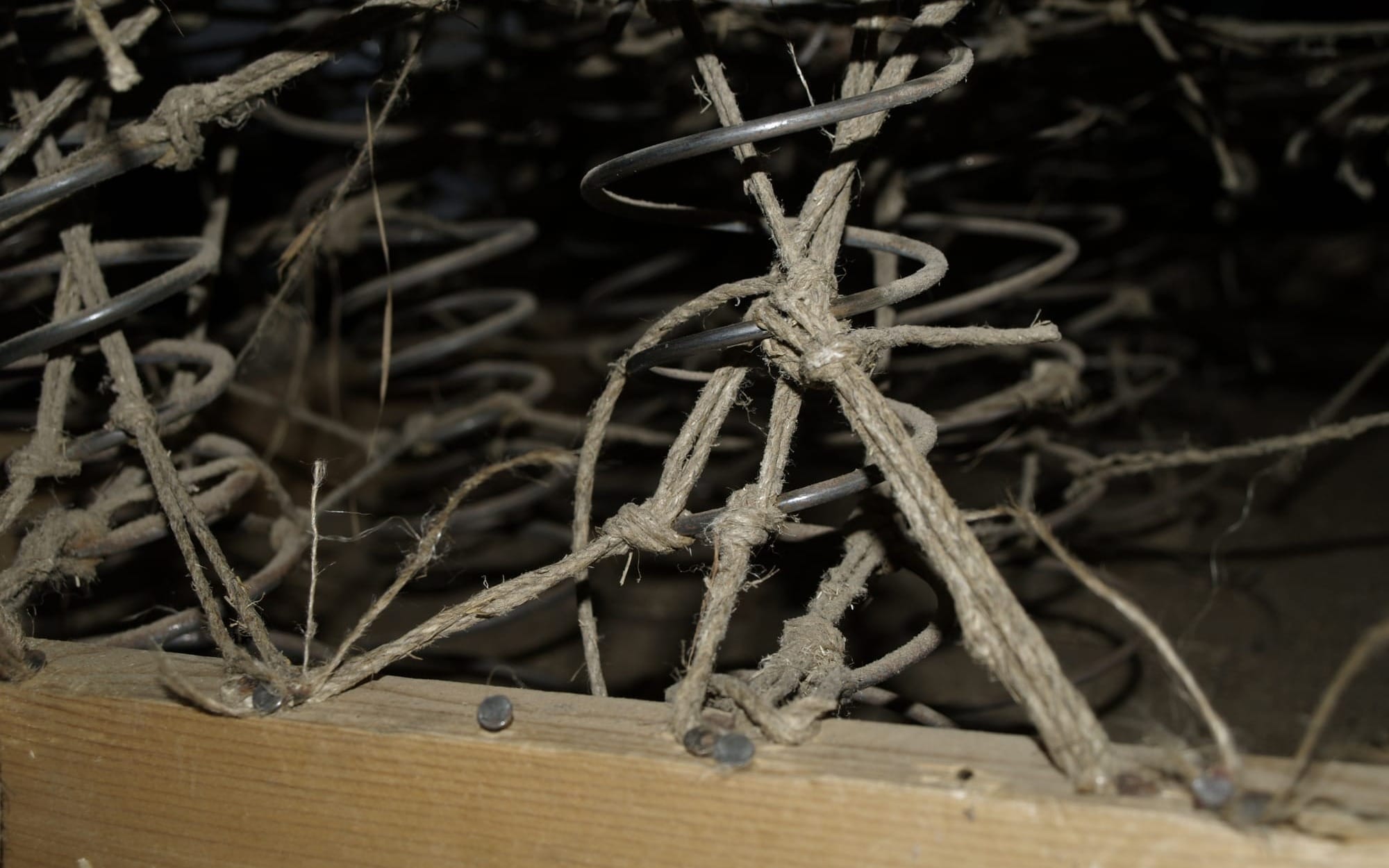
The Web of Tension: Using a high-quality Italian flax twine, Heiko had to tie each spring to its neighbor and then to the sofa frame in eight different directions (diagonal, horizontal, and vertical).
The Sculpting: This isn't just about fastening them down; it’s about tension. By varying how tightly the twine is pulled, you actually "sculpt" the seat's pitch and firmness. It’s what gives the Tigudiivan that iconic, rounded crown that never sags.
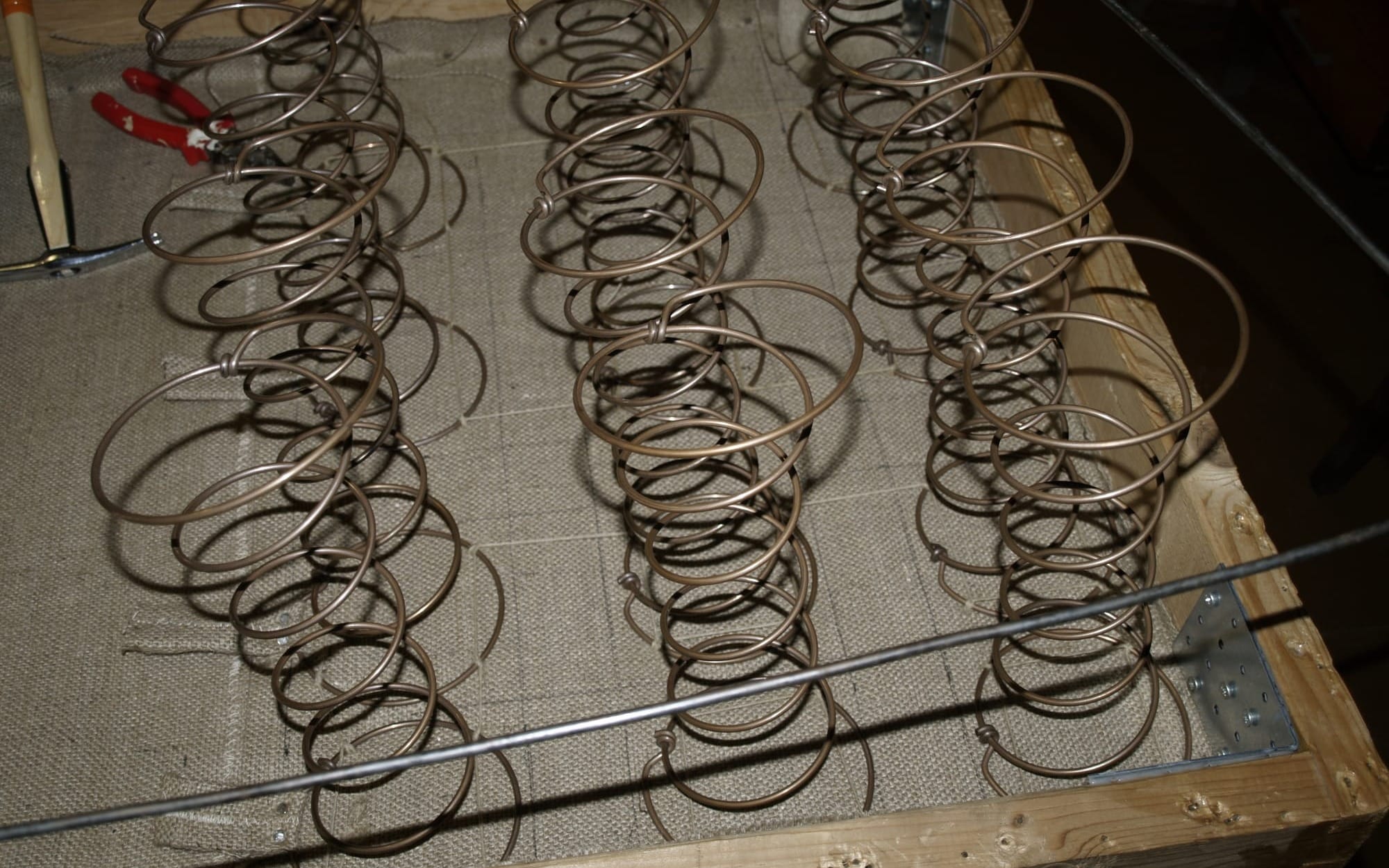
Why Bother?
The result of this spiderweb of twine is a "floating" seat. Because all the springs are interconnected, they move as a single unit. When you sit on one side, the entire system supports the weight, preventing the individual "bottoming out" feeling you get with cheap modern sofas.
It took Heiko hours of pulling twine until his fingers were raw, but it ensures that "classic, firm-yet-giving sit" that has defined Estonian parlors for a century. It’s the difference between a sofa that lasts five years and one that becomes an heirloom for the next fifty.
The Padding: When it came to the padding, there was a strict "no synthetic foam" policy. While foam is easy to cut and cheap to buy, it’s essentially a block of plastic that traps moisture and eventually crumbles into dust. To maintain the authentic shape and longevity of a 1930s classic, Heiko went back to the source: natural materials.
Restoring the sofa using traditional methods meant sourcing materials that a master craftsman from the Luther Factory would have recognized:
Sea Grass (Mererohi): This was the "engine" of the padding. Dried sea grass provides a firm, breathable base that holds its shape for decades.
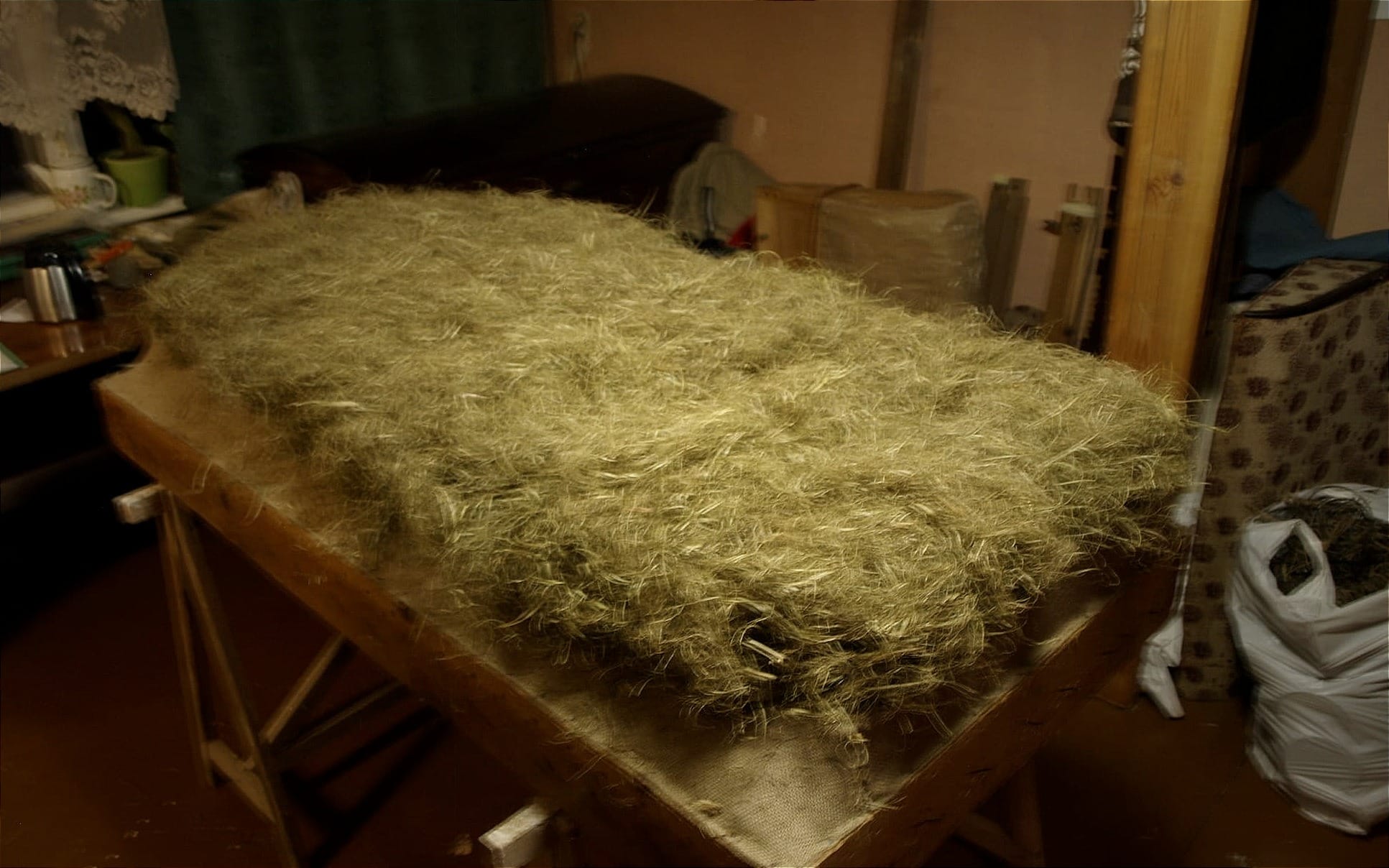
Horsehair (Hobusejõhv): Prized for its incredible resilience, horsehair acts like thousands of tiny natural springs, ensuring the sofa doesn't "sink" over time.
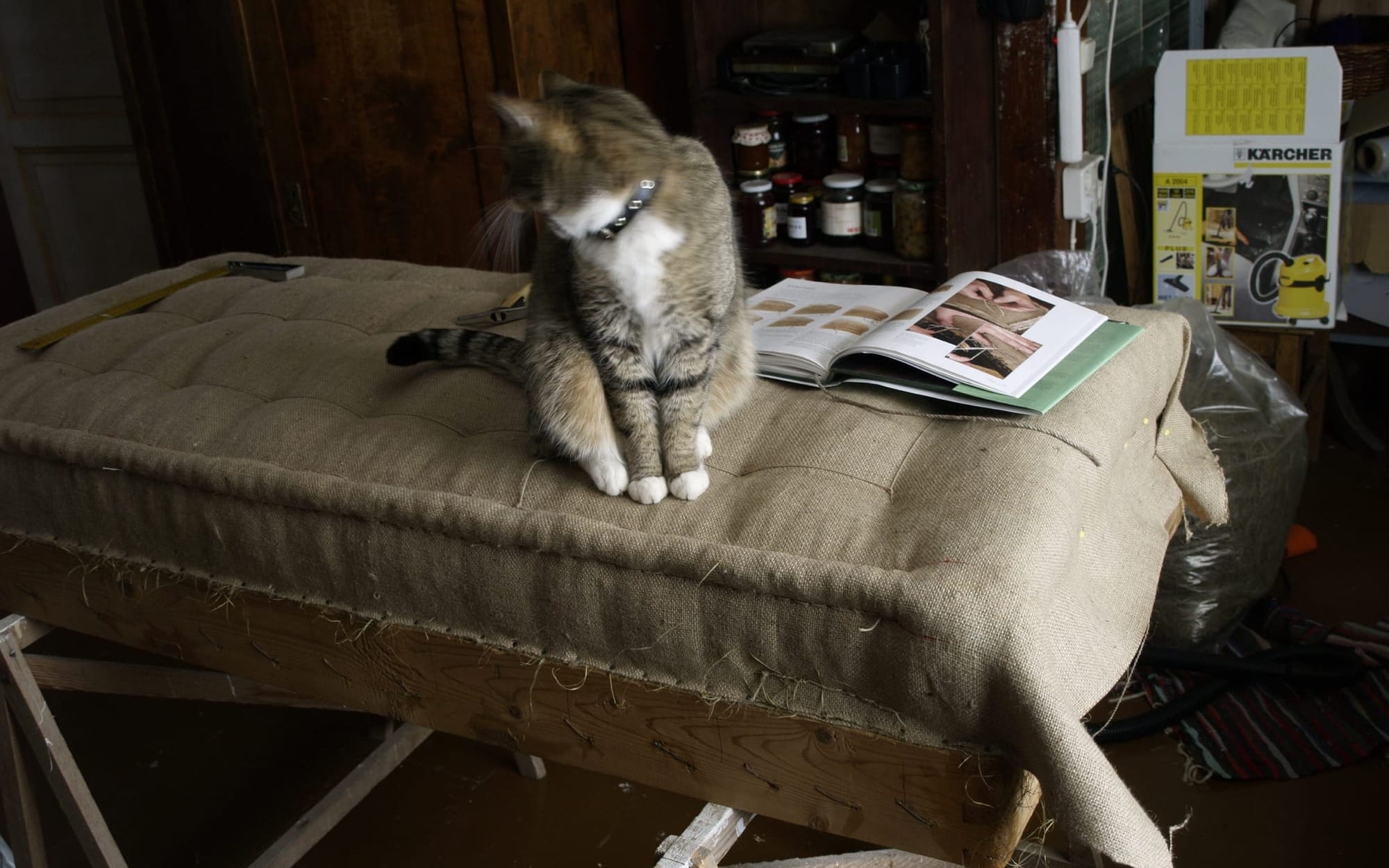
Jute and Cotton Wadding: These layers provided the structure and the smooth final finish without the use of a single spray-adhesive or chemical filler.
The "Breathing" Philosophy Why go through all this extra effort? Because in an old fieldstone coachhouse, moisture is the eternal enemy. Natural materials like sea grass and horsehair allow air to circulate through the furniture. This means the sofa doesn't trap dampness—it "breathes" along with the stone walls of the house.
By choosing these materials, we weren't just being historically accurate; we were ensuring that this sofa could live in the house for another eighty years without rotting from the inside out. It’s a bit more work for the restorer, but for the house (and our comfort), it makes all the difference.
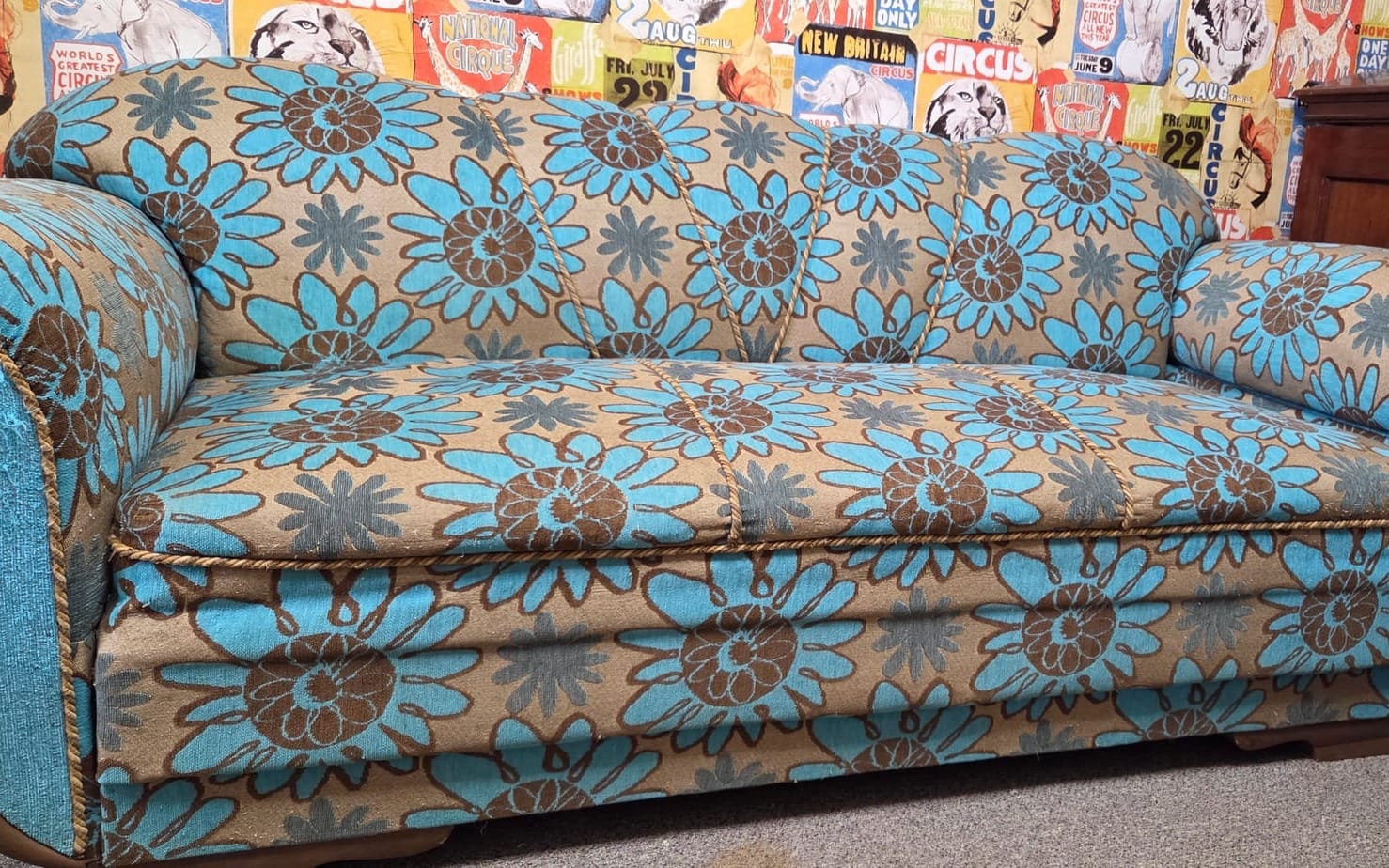
The Fabric: The final challenge was the upholstery. Stretching fabric over those signature "snail" curves of the armrests is an art form in itself—one that requires equal parts precision and brute force. While Heiko focused on the structure, I had my say in the aesthetic. For some reason, I was obsessed with a combination of blue and brown; I was certain I wanted a bit of a modern twist on this 1930s classic.
I wanted flowers, but definitely not the dusty patterns of the thirties. After a long search, we found a high-quality fabric that had all those demands woven into it—a perfect bridge between the sofa's historic shape and our modern life. It turns out that when you combine Heiko’s traditional craftsmanship with a bold color palette, you get a piece that doesn't just sit in the room—it owns it.
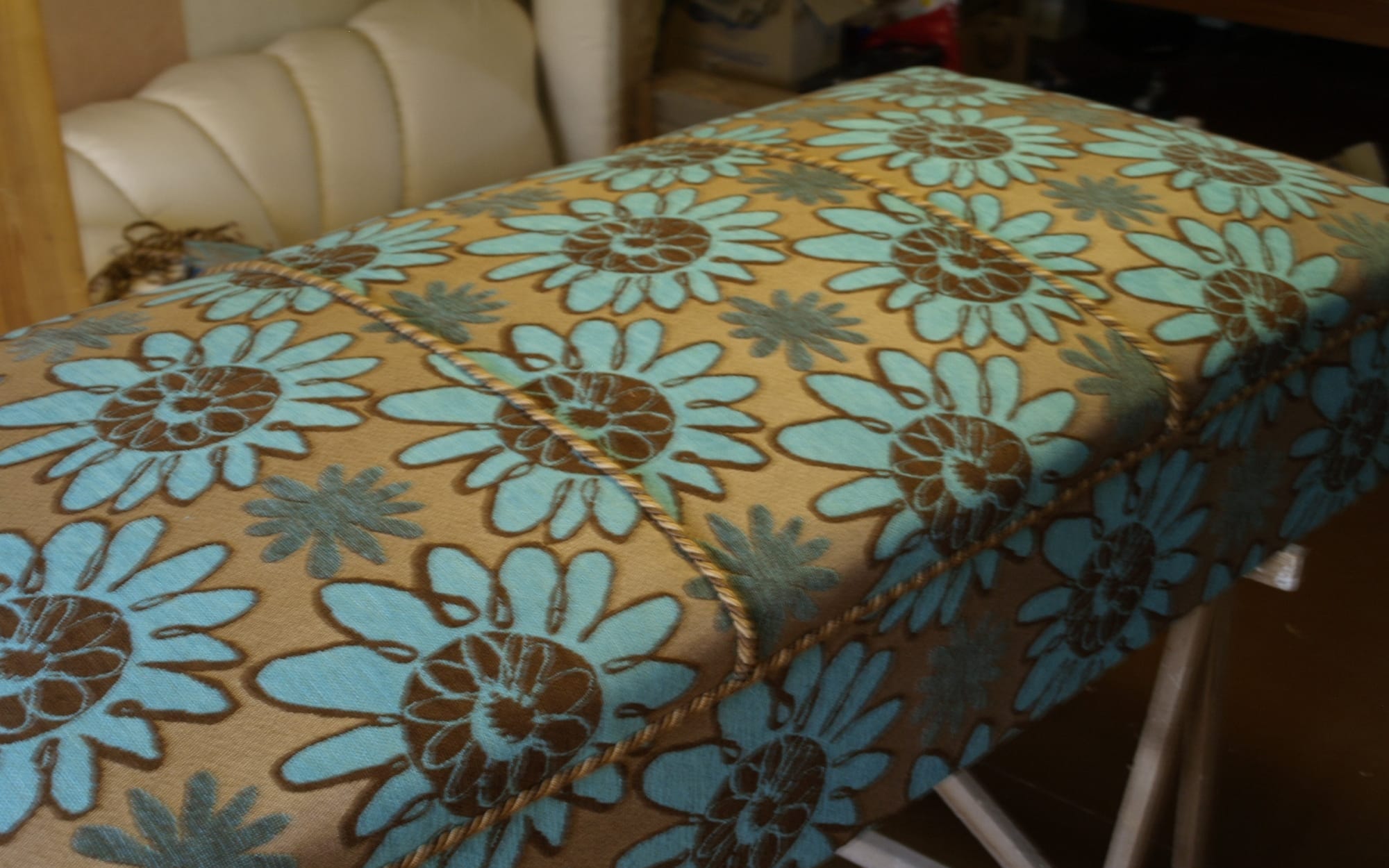
A Status Symbol Reborn
Historically, the Tigudiivan was the centerpiece of the Estonian living room, often produced by legendary makers like the Luther Factory. By restoring ours by hand, Heiko wasn't just fixing a piece of furniture; he was preserving a piece of Estonian "home culture" (kodukultuur).
The Masterpiece in Waiting
It took a lot of time—a "snail’s pace," if you will—but the result is a masterpiece of traditional joinery and upholstery. Currently, the sofa is still waiting for its "forever home" in the living room once that renovation is complete. It’s also waiting for its companions: two armchairs in the same style that are still queued up for their own transformation. Even in its temporary spot, the end result has left many people in awe.
For those wondering about the "why" behind the DIY: a full professional restoration of a sofa like this in Estonia can run up to €5,000. That was the main driver for us to tackle this ourselves. However, "DIY" doesn't mean "cheap"—the cost of high-end, authentic materials alone accounted for about a fifth of that total. It wasn’t just a financial investment, though; it was an investment in ourselves. This project taught us a level of patience and skill that is, quite frankly, priceless.
Nailed it! Sort of... (Actually, Heiko definitely nailed this one.)
-Liidia