
Why Our "Quick Fix" Renovation Plan Hit the Trash
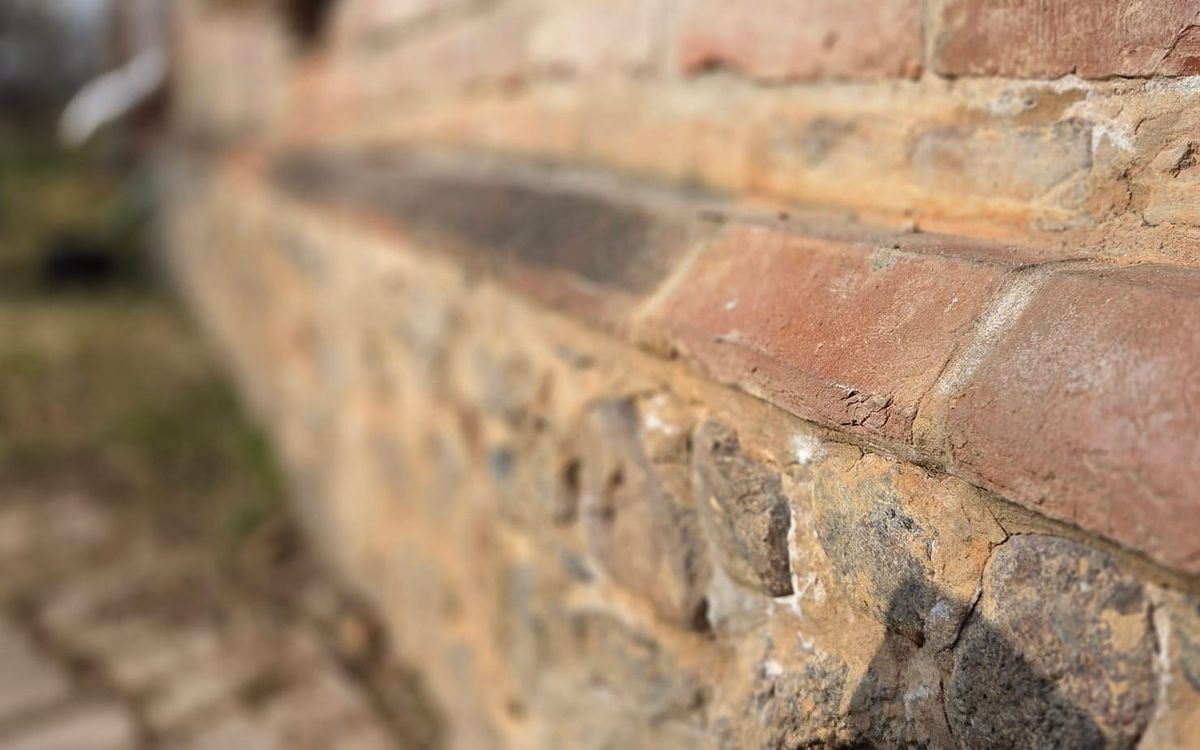
Sometimes I forget just how young and aggressively optimistic we were when we took on this "lifetime project." Back then, we saw things through rose-colored (and very naive) glasses. Our plan was a three-step miracle: drywall the walls, laminate the floors, and slap in some plastic windows. It was supposed to be cheap, fast, and—with a little luck—look great.
During our second viewing, we brought along a construction expert for a reality check. To every "simple" question we asked, he just slowly shook his head. His words stuck with us: "If you’re going to buy a house like this, you have to renovate it properly. If you just want to use drywall and foam, you might as well save the headache and build a brand-new box from scratch."
At the time, we thought he was just being a "purist." But as Heiko started inhaling construction manuals, we realized that expert didn't just give us advice—he saved our house from a slow, damp death.
The "Modern" Standard vs. Physics
The construction standards of this century seemed so easy. Everyone recommended the same cheap, accessible materials. Parts of our house had already been "fixed" with PUR foam and drywall to hide the crooked walls.
Big mistake. We quickly learned that wrapping an old fieldstone house in plastic and foam is like asking a marathon runner to compete in a plastic trash bag. Eventually, everything gets "swampy," the runner collapses, and the system fails.
Why Penoplast (EPS) and Fieldstone are a Toxic Couple
We learned that the "standard" way of insulating foundations with foam was actually a death sentence for our walls:
- The Moisture Trap: Fieldstones and lime mortar are porous—they need to "breathe." If you seal them with non-breathable foam, moisture from the ground gets trapped, turning the mortar into a soft, mushy paste that eventually dissolves the foundation.
- The Freeze-Thaw Bomb: When moisture is trapped behind foam and freezes, it expands, cracking the stones and pushing them out of alignment.
- The Rodent VIP Lounge: Mice think penoplast is a 5-star resort. They tunnel through it with ease, creating a secret highway system directly into your home.
Our Secret Weapon: The Cork Floor
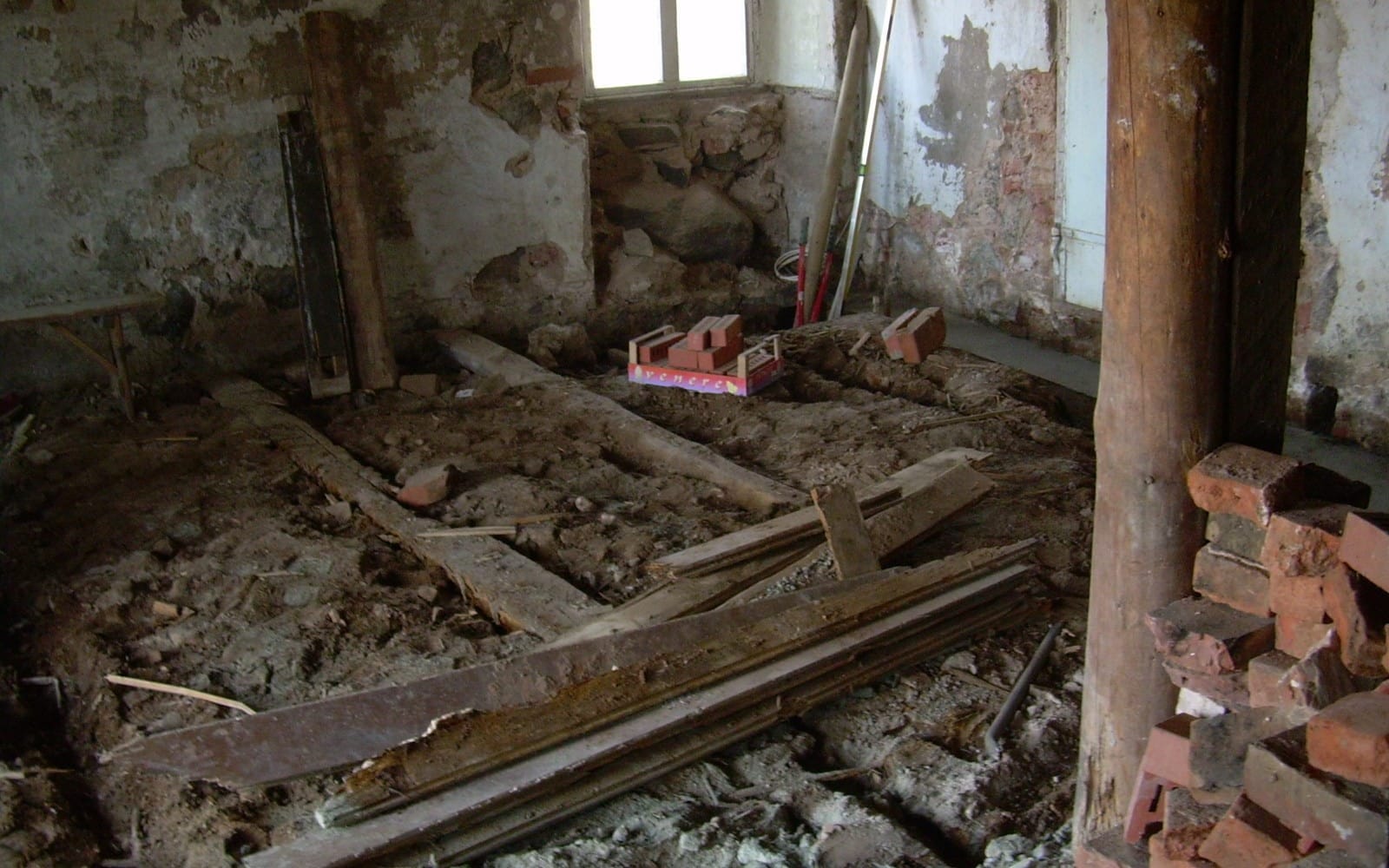
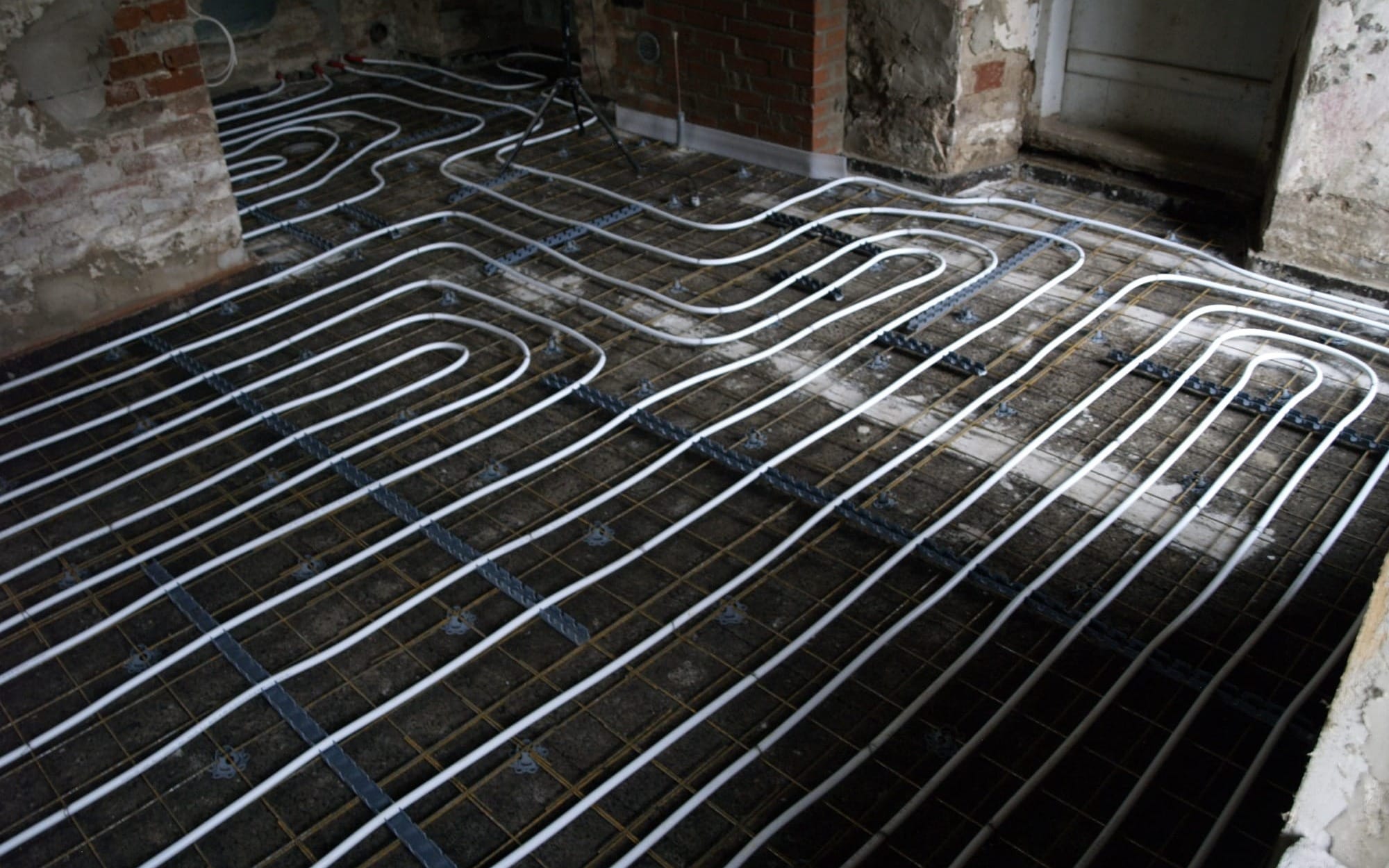
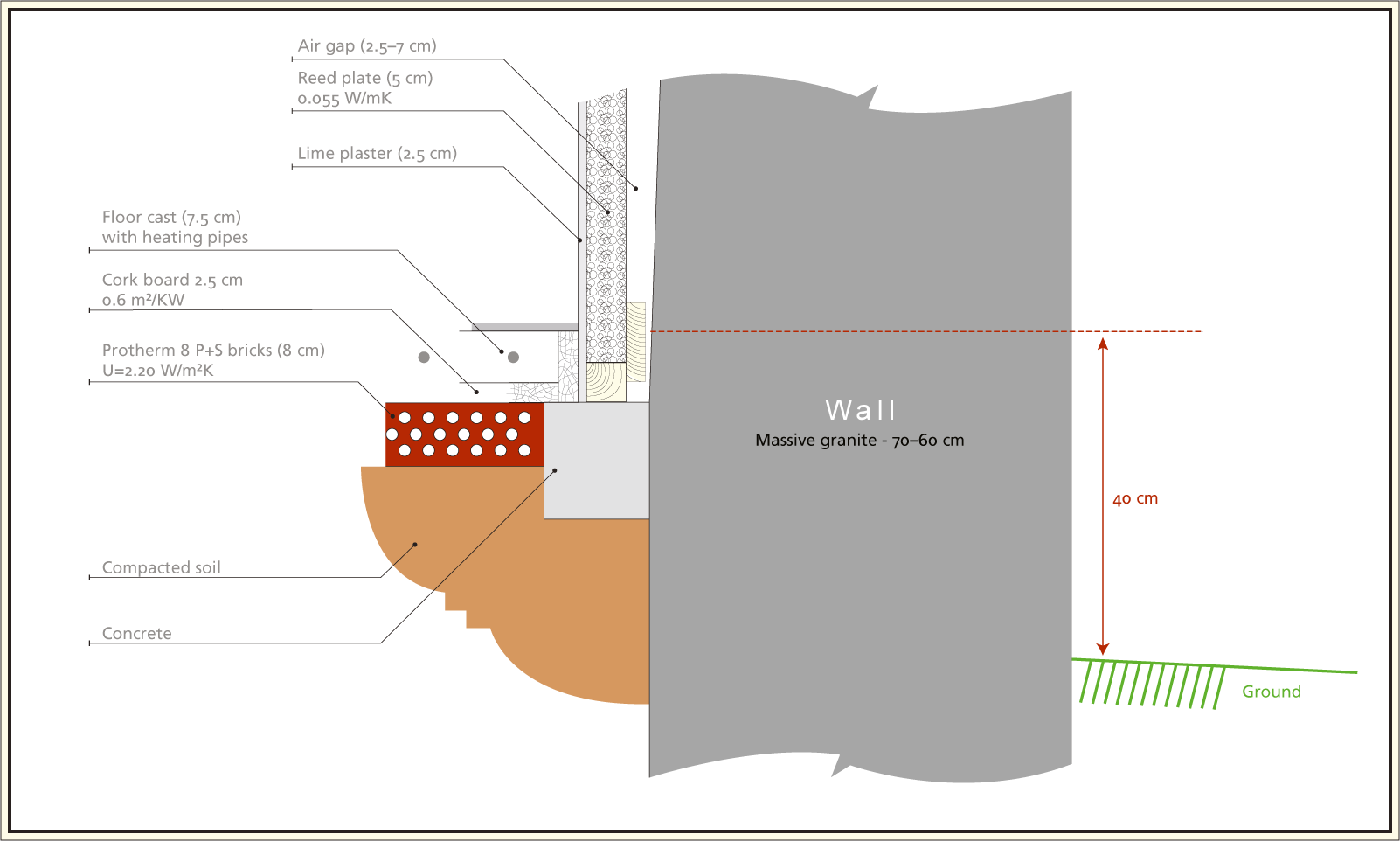
So, we chose the long way around. We started with the foundation—no foam in sight. When we ripped up the floors, we found bare earth. We replaced layers of old hay with clean sand and clay blocks. But the real star of the show was the cork board insulation.
Why cork? Because cork is a functional partner, while foam is a ticking time bomb.
- It Breathes: Unlike foam, cork is vapor-permeable. It doesn't "dam" the moisture; it lets the house regulate its own humidity.
- Thermal Soul: Cork doesn't just block cold; it holds warmth. Even when the heating is off, it feels warm to the touch.
The Power Couple: Reed Mats and Lime Plaster
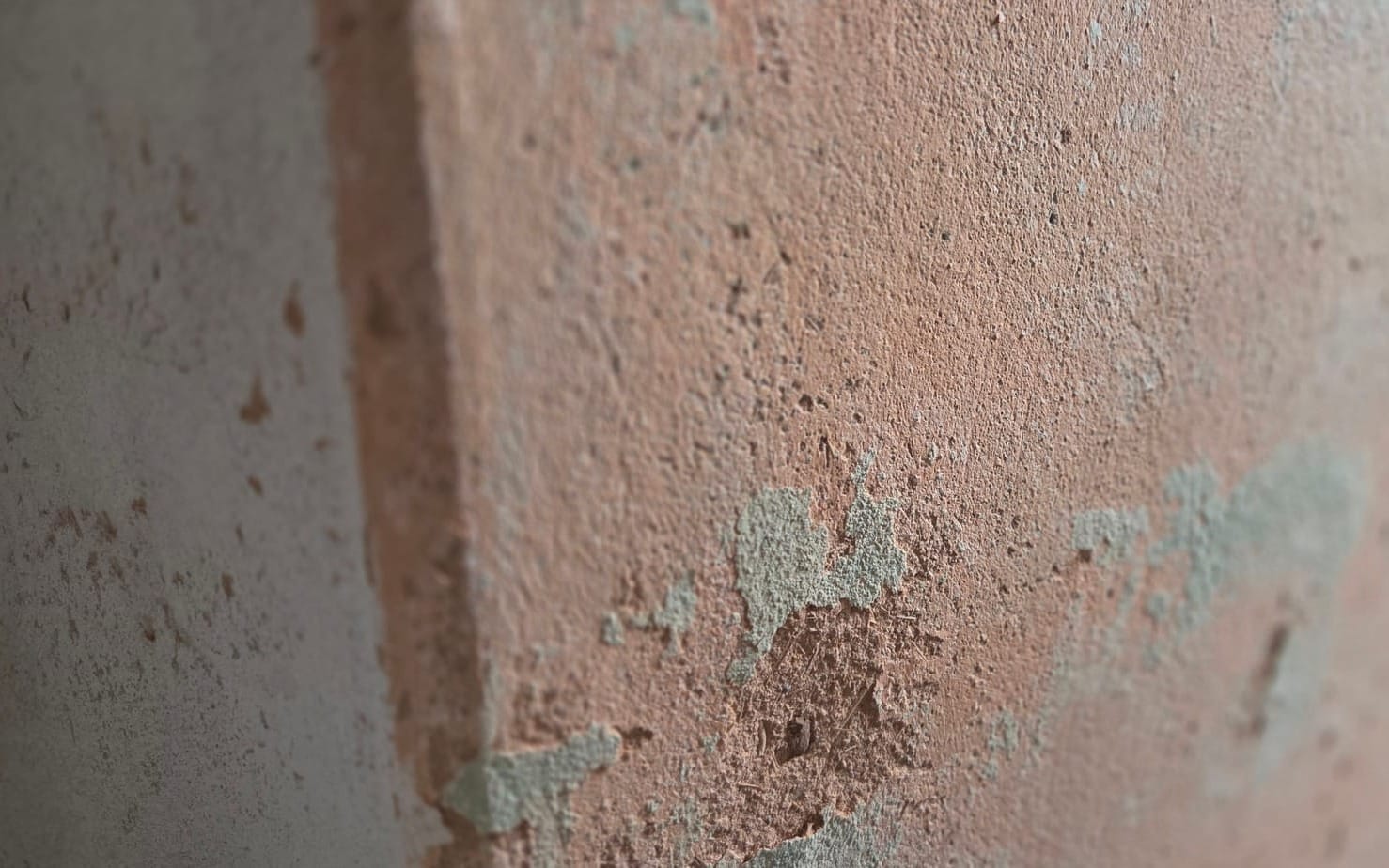
Our walls are massive: an outer fieldstone layer and an inner clay brick layer. To keep things breathable, we chose reed mats and lime plaster.
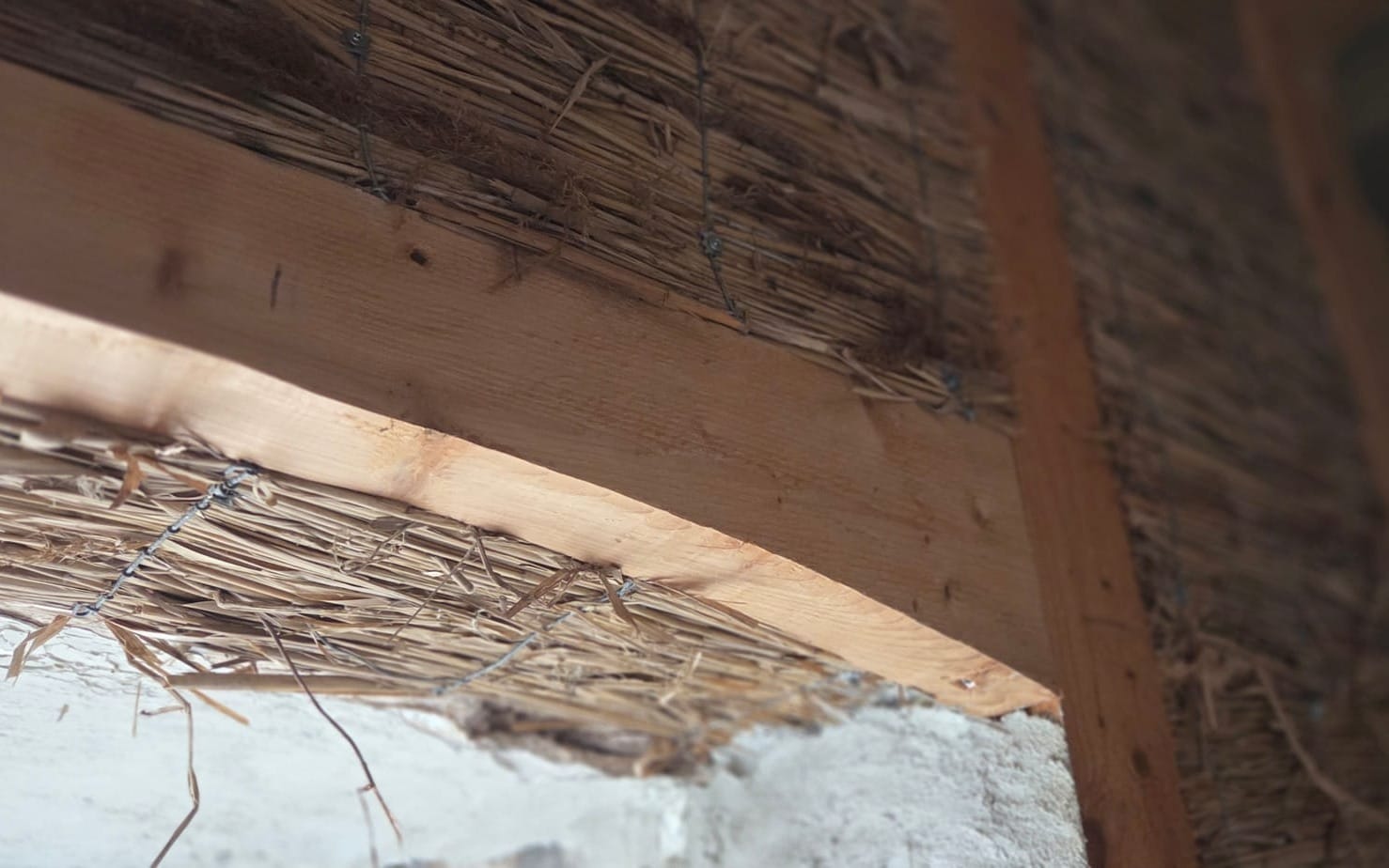
- The "Wick" Effect: Unlike modern wool which gets soggy, reed and lime are "capillary active." They suck moisture out of the stones like a straw and let it evaporate. A dry wall is a warm wall.
- A Natural Deterrent: Lime is highly alkaline, which is basically a "Keep Out" sign for mold and pests. Mice aren't fans of chewing through tough, lime-soaked reed.
The "Power-Outage" Peace of Mind
There’s one more technical detail that became a game-changer for us living in the countryside: the ventilation trap. Modern "penoplast" houses are so airtight that they require forced-air ventilation systems (heat recovery units) to be running 24/7. Without electricity to power those fans, the air inside a plastic-wrapped house turns stale and humid almost instantly. Out here, where winter storms like to play tag with our power lines, that’s a massive liability. Because our house uses natural, breathable materials, it handles air exchange and moisture regulation on its own. We don’t need a computer or a fan to keep the air fresh; our walls do the work for free. Even when the grid goes down, our house keeps "breathing," giving us one less thing to worry about during a blackout.
The Natural Summer Oasis
One of the most rewarding parts of living within these massive walls is the "cave effect" during the height of summer. Because we chose high-density materials like fieldstone, clay, and sand instead of lightweight foam, our house possesses incredible thermal inertia. These walls act as a giant thermal battery, absorbing the sun’s heat throughout the day without letting it reach the interior. By the time the warmth finally attempts to migrate through the thick stone and clay, the sun has already set and the outside air has cooled. Combined with the evaporative cooling naturally provided by the breathable lime plaster, the house stays remarkably chilly even during a heatwave. We’ve found that we don’t need an expensive air conditioning system; we simply have a house that knows how to outsmart the sun.
The Plot Twist: A House That Heals
But here is the most important part—the thing we didn't see coming. Back in our "traditionally" renovated flat, with its laminate floors and plastic-painted walls, I lived with constant, nagging allergies. I thought it was just the way I was built.
I was wrong.
Moving into this "old" house with its ancient materials practically cured me. And as it turns out, there is actual science to back this up.
- The Humidity "Sweet Spot": Modern flats act like greenhouses—humidity spikes when you cook and drops when you heat, creating the perfect breeding ground for dust mites and mold. Our lime and clay walls act as a "third lung," absorbing excess moisture and releasing it when the air is dry, keeping the humidity in the healthy 40–60% range.
- Natural Fungicide: Because lime has such a high pH, it’s a natural fungicide. Mold simply cannot grow on it.
- Static-Free Living: Synthetic floors create static that keeps dust and pet dander hovering in the air. Natural materials like cork and lime are antistatic; the dust simply falls to the floor where it can be cleaned, rather than hanging out in your breathing zone.
- No "Chemical Soup": We aren't breathing in the Volatile Organic Compounds (VOCs) that leak out of glues and plastic paints for years.
Our renovation isn't fast, and it certainly wasn't the "easy" way we imagined as kids. But it’s honest. We didn't just build a home that would last a hundred years; we built a home that lets us breathe.
-Liidia